
Stripe vs PayPal vs Braintree: How Do These Payment Platforms Compare?
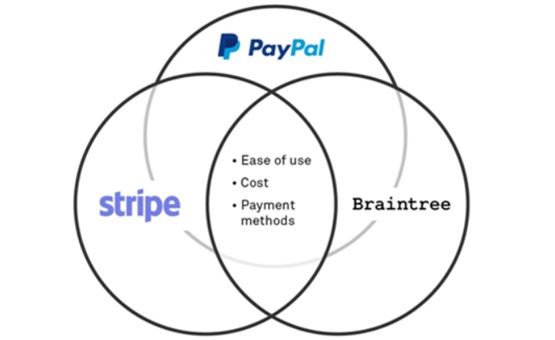
PayPal, Braintree, and Stripe work as a famous payment platform. These three options are highly used in incorporating any payment platform in the mobile or web application. A good decision about their selection needs to be done based on these platform’s offers and policies. Supported Payment Methods: The eCommerce websites are required to support high on the American Express, Mastercard, and Visa Card. It is the main reason that PayPal, Braintree, and Stripe are now accepting the payment methods of Diners Club, Discover, Maestro, and JCB credit cards. Apart from accepting the payment method of credit cards, the eCommerce websites are required to support different payment modes. It is, therefore, necessary to consider and understand the difference between PayPal, Braintree, and Stripe. A great benefit of choosing Stripe is its close acceptance with AliPay which is a Chinese-based pay platform. The eCommerce website gets a better response from Stripe when it is targeted to the Chinese market. Unlike Braintree, Stripe is now accepting direct charges to the bank account through Automated Clearing House (ACH) payment. However, Braintree has a direct integrating platform with PayPal when it comes to offering payment through ACH payment and AliPay. The companies have an opportunity to accept Braintree payment through PayPal. It has also a direct functioning capability to accept payment through PayPal supported digital wallet of Venmo. However, PayPal has a limited payment acceptance way, such as accepting payment through debit card, credit card, and PayPal. In contrast, Stripe and Braintree are more favorable payment methods as they accept different marketplace payment methods, such as bitcoins. Fees, Chargebacks, and Refunds: It is a major consideration of how each payment platform charges fees for the rendered service. It is again important to consider different kinds of charges when accepting the payment methods of PayPal, Braintree, and Stripe. Transaction Fees: The fees of PayPal are high as it charges a fee on a monthly and yearly basis. However, Braintree and Stripe have no such charges. Paypal enables free account usage with PayPal Express Checkout and Payment Standards. However, the companies cannot have a fully customized experience similar to an eCommerce store, particularly having huge merchants and buyers. Nevertheless, PayPal offers a Payment Pro Plan that enables a direct payment transfer with the buyers and merchants. It costs around $30 per month for the overall monthly transfer charges. On the contrary, there are single transaction-based fees for every transfer. For example, Stripe and Braintree charge $0.30 + 2.9% for every payment transaction. The above charges are low charge payments that are applied for all acceptable payment throughout the world, including the U.S. However, Paypal has different payment fees, such as 3.9% fees plus an international payment percentage. Paypal’s U.S. transaction fee is also different, such as 2.9% + 0.30 fees. It is pertinent to note that the above PayPal payment fees are merely related to credit card payment. The fee for the American Express credit card is different for PayPal. The other payment modes, such as AMEX transaction has a different fee for Stripe, Braintree, and PayPal. Disputes and Refunds: It is a general practice that some shoppers dispute charges. Every payment platform happily supports handling some kinds of chargeback transactions. However, it is done as per the customer’s expense. For example, PayPal charges $20 as a refund for disputed amounts while Stripe and Braintree charge $15. However, if the dispute gets a solution in the customer’s favor, then Braintree and Stripe return $15 and the entire chargeback amount. In a similar case, PayPal returns $20 but it charges a little fee of $0.30. Stripe and Braintree have a convenient refund policy as they return the transaction fees without charging any amount of fee. PayPal considers chargeback transaction as a new transaction, so it still imposes a little amount of $0.30 as the processing fee. It is pertinent to note that if the customer’s merchant account has no money to cover the charges, such as $15, then PayPal, Braintree, and Stripe charges money directly from the customer’s bank account. Other Payment Methods: As mentioned, Braintree and Stripe have a working capacity with different payment modes. For example, they highly support AMEX transactions and Bitcoin. For example, Stripe charges $5 per transaction with 0.8% fees for the payment transfer with ACH payment, direct bank charges, and Bitcoin transactions. Bitcoin payment gets a more favorable chare of payment with Braintree. For example, Braintree offers free transactions up to the first $1M worth of payment. However, there is a small Bitcoin transaction fee of 1% in Braintree. PayPal, Braintree, and Stripe have selected different methods for the AMEX payment. Stripe charges for AMEX transaction is 2.9% + $0.30 payment. Braintree charges merely $0.30 + 3.25%. PayPal has a higher charge payment system for all AMEX transactions, such as $0.30 + 3.5% fee. Comparison of Paypal, Braintree, and Stripe: There is a major comparison between PayPal, Braintree, and Stripe. Each of them has distinct key features that the businesses are required to consider before affiliating their transaction services with them. At first, Stripe is a payment platform supporting processor, gateway, and merchant account. It has no monthly fees. Its per-transaction fee is 2.9% + $0.30. It has a currency conversion rate of 2% per transaction. It applies a $15 chargeback amount. Similar to Stripe, both Braintree and PayPal are payment platforms supporting processor, gateway, and merchant account. Braintree has no monthly fees. Its per-transaction fee is 2.9% + $0.30. It has a currency conversion rate of 1% per transaction. It applies a $15 chargeback amount similar to Stripe. Like Stripe and Braintree, PayPal is also a payment platform supporting processor, gateway, and merchant account. PayPal has a payment fee of $30 per month as Payments Pro. Its per-transaction fee is 2.9% + $0.30. It has a currency conversion rate of 1-4%. It applies a $20 chargeback amount. Stripe’s payment methods are ACH, Bitcoin, Apple Pay, Android Pay, and AliPay. It accepts payment cards of AMEX, MasterCard, Visa, and other credit/debit
MVP vs. Prototype: Ideal for Validating Business Ideas?
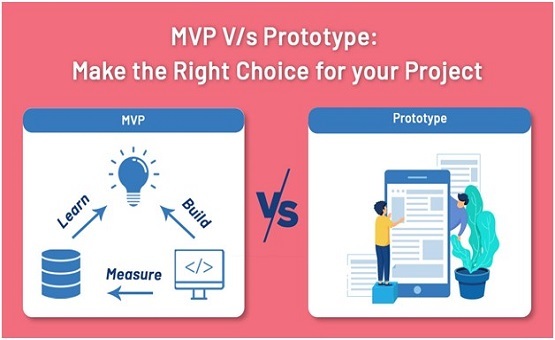
The start-up businesses are required to undergo a spectrum of stages for launching their final product. Among all, the stage of idea validation is the most leading factor to finalize the process. The comparison of a prototype and an MVP (Minimum Viable Product) are of great importance throughout many businesses. The approaches of a prototype and a minimum viable product are supportive in leading the businesses through different stages of product development. It is important to note that people frequently get confused with the definition of an MVP and a prototype. The right usage, accuracy, and comprehension of these methodologies can generate corporate ideas in a well-structured manner. It can lead the respective users and stakeholders to understand the business concept in the right manner. It can then improve the successful outcome of all future products’ launches, thereby leaving no chance of failure or obstruction in any way. It is again necessary to understand that the prototypes and MVPs have different objectives that need to be used at a different product development stage. There is also a possibility of combining the approaches of an MVP and a prototype, leaving again no chance of distraction among them. Prototype V/s MVP A prototype is simply the beginning of a material, such as a model or a sample, which is later purposely designed for a better business concept. A prototype is the releasing process of the products that are designed for testing the concepts or processes. These are later acted as the major things to be learned from or replicated. On the contrary, an MVP (Minimum Viable Product) is a basic product that has a limited feature to be satisfied with the basic need of consumers. It has also enough features for providing feedback for future product development, giving a limited rise to more product development opportunities. What is a Prototype? A prototype is used in the early stage of startups’ product development. Its purpose is primarily to conduct a presentation and identify user testing. Upon presenting the prototype, it is possible to gather a few funds for the developing phase of the Minimum Viable Product. The afterward process is complex as the lifetime of the overall functional cycle gets terminated on the later stages of development. It is again important to note that the primary level of stakeholders and users can get valuable feedback from the entire process. In case of getting negative feedbacks, the prototypes can be altered and tried again at a later stage for better product development and finalization. On the contrary, the strategic approach of MVP is utilized for testing the startup idea for gaining better efficacy. It’s another purpose is to get community feedbacks that are later utilized in the development of a business idea. This tactical process enables in getting a huge and raised sufficient level of funds that are later rolled to the products’ marketplaces to the diversified people. However, if the planned ideas seemed invaluable for developing the product ahead, then it could be stopped in any way. Such a stoppage of the process does not consume any deal of time and money while it lets the process continued at a later stage with a much-deliberated process. What is an MVP (Minimum Viable Product)? A Minimum Viable Product is considered a fully-fledged product, meaning that it is readily delivered to the markets. It is the right way to consider whether the products would have a value for the consumers in the markets. Additionally, it requires a lot of consumers’ feedbacks from the target audiences. Unlike a prototype, an MVP expects intense technical development. It is owing to the reason that its functionalities could have a possibility of adding, particularly at the final stage of product scale. MVP vs Prototype: Which is Best to validate: Both a prototype and MVP are quite supportive to validate and verify the assumption of the product. They initiate a major performance in the development phase of product recycle. Their comparison is of great importance when it comes to bringing them into the product development stage. An MVP and a prototype describe how and what could be developed from each stage of the process. However, it is noteworthy that they have different goals that are initiated in the designing flow of the process. The product prototypes are truly displayed with the functions when needing the operational measures. In contrast, an MVP is mainly the functional product over the development stage. It is truly simple in the systemic process and is made available to the markets. Concerning the product development phase, an MVP has extended ways for enhancing and scaling the product. Concerning the above statement, it could be determined that a prototype requires the basic testing and assumption of the product. It has a different way of showing the users about the early investment referring to the business processes and ideas. These entire considerations are aligned in the development phase of the product. Such considerations increase the investors’ confidence about their money being invested in the prototype and MVP of the product. The investors understand that their money will give a worthwhile true business idea. Regarding an MVP, it is not a sketch and is a less functional product. It requires the less functioning need to finalizing the product. Such a feature of the MVP product requires less implementation and monitoring. Every prototype bears a product idea for the development stage. The only consideration requires it to check its working capability with every stage of product development. The product prototype is the next phase where the startup development process is initiated to move the product in the afterward stage. The overall systemic process then leads the product toward the functional stage. From there, the product’s reliability is assessed in terms of its functionality and finalization. Thus, it is said that a prototype is highly considered as the prime implementation need of the future project. It is simply a sketch that is primarily meant to determine the investors about their
Are Cloud Managed Services, are Right for My Business?
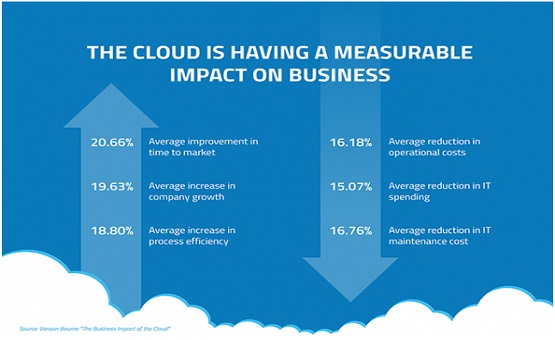
The cloud managed services determine a collaborative partnership among service providers and companies. It provides a great contribution among different factors, such as overseeing application performance, expertise financing, built-in infrastructure, and cloud technology. It creates an automated platform that extends all through the cloud stack. It ensures direct monitoring of optimal management for different cloud-based applications for the better future of companies. It provides a robust security measure while protecting the overall corporate data. It then offers an affordable private data-centered service, leading to align costs with usage in the peak time and according to the focused needs of the business. There is a spectrum of benefits inherent with the adaptation of cloud managed services. The companies’ decision to subscribe to the right cloud managed services can enable them to achieve diversified financial and technological business growth. For example, it can lead to the development of a data-centered facility. It can ensure minimal capital investment in an IT-based system. It can eliminate the requirement of hiring trained IT professionals that run the entire system-based applications. It assures the functioning of predictable and consistent application performance. It leads to better resulting outcomes through the management against service level agreement. Gain Positive Business Value: The cloud managed services help in gaining a positive business value. For instance, it supports translating into great employees’ productivity. It provides different levels of work unit services as well as decreases the overall costs. It generates higher revenues that are achieved similar to e-Commerce driven sales revenues. It derives businesses to get speedy market proportions that increase revenues and consumer retention. There is involved less time spending in maintaining the overall technology system, such as achieving the fastest level of technology innovation. It eventually provides great value for businesses through its cost-effective features. In fact, it’s a leading source for value generation, thereby exceeding the business values against its overall costs of investment. Improve Business Technology: The cloud managed services enable the CFOs to get an intensive interest in business value. It is highly driven from a slightly different perspective, meaning that it facilitates business technology from manifold resources. For example, it supports organizations in achieving a user-based technological system. It helps in leading the overall company’s workplace, such as financially determining as to how the use of technology tools can increase efficiency for the business functions. It is easily adaptable to financial software and specialized accounting systems, leading to run the general business applications and data analytics smoothly. It ensures better delivery of a software system that runs throughout the business functions. . Moreover, the cloud managed services draw on personalizing the experiences of firms. It deeply evaluates the overall value of corporate managed services. It specifically includes the business costs, ease of reporting, speed of updates, and application availability. It reviews the technology investment at higher levels and lets the firm’s assets and business operations to be running smoothly and securely. It focuses on the company’s cloud-managed services while aligning them with the capital operating budgets and corporate goals. It eventually assesses how the investments may affect line items and services that are utilized by the company stakeholders. The technology of cloud managed services is also beneficial in effectively reviewing corporate taxes, depreciation, earnings, and revenues. Offer Business Agility and Allocating IT Costs: The cloud managed services enable business innovation through robust agility. It ensures business success from the main spotlight and lets the business adapt to the latest tactics. It supports in saving the firm from downsizing staff while adding value to the business. It allocates IT costs and affects the share value of the firm’s assets. It increases customer confidence and makes it easy to track consumer queries. Its functionality in allocating IT costs then determines the actual visibility into investment. It subsequently identifies any issues that might be hindering during revenue generation. It facilitates all the business units and their budgets, such as avoiding Capex constraint and accounting complexity. Additionally, it mainly emphasizes the way of investment money rather than simply saving money for the business. It diversely supports business agility and renders services for better workforce flexibility. It perceives every calculated cost of hiring the workforce and helps in maintaining the budgets, as may be allocated therein. It also supports the factor of compliance with the labor laws and deals with every shared liability that usually arises amid the negative sides of the business. It supports the entire compliance needs legally and then personally reacts to responsibilities that are necessarily complied with the financial regulations and data protection laws. Deliver Maximum Value for Business: The cloud managed services are highly recognized with the factor of delivering maximum value for the business. It focuses more on the business value regardless of the company’s situation, such as being in the CFO or CIO organization. It is also best known in investment concerning the generation higher values for the corporations. It deals with different types of business goals when it comes to confronting the lost-opportunity cost which is a factor of the business market. Its delivery in the business impacts highly on workforce flexibility and employee productivity. It is further recognized in dealing with the Total Cost of Ownership, thereby assessing the business value in the longer terms. It is quite adaptable to achieve the required business agility, such as deploying and removing resources on a need basis. It generates faster business results that afterward lead to much flexibility in the workforce. It even facilitates flexible IT staffing, such as emphasizing innovation instead of simply maintaining the business value. Ensure Reliable Security: The cloud managed services offer a reliable security measure. It acts as a direct security expert in responsibly protecting the physical and online data. It enhances compliance profile and reduces the vulnerable situations of sensitive financial data. It then protects personally identifiable information through the adjoined security experts, particularly without requiring the need of hiring IT professionals. It provides recovery services according to the security of business needs and subsequently ensures
Stand out Among Businesses, Complete Guide to Create Great Email Signatures
How you sign-off can be a make or break moment for your business – Be aware! Why do you think email signatures are a must-have? Well, nobody wants to miss out a single chance to create a lasting impression on their clients for their business. You may have already been familiar with the paradigm of how worthy these little email signatures can be, and now you are uncertain of how to start & what to write. Well, then you are already on the right page. Let us help you where to start! Believe it or not, some business minds treat their email signatures like an afterthought, which indicated that it has no serious significance. It is usually a record or a common practice of a business owner or a senior employ to send at least 30 to 40 emails in a day. Then you know its 30 to 40 opportunities to market your brand & promote your professional self to those market geeks that receive your email per day. These are not just merely any signatures but a chance for you to make a clear impression of who you are, what your business is, what you are currently working on & how convenient it is to reach you. Follow Simple Steps & Create Great Email Signature For Your Business In this blog, we have covered all the basics for our readers. Now it’s your one of those high chances that can earn you brownie points to stand out among the rest of your competitors. Our best practices & guide will help you have the signature that will go best with your brand. A pro tip – prefer your brand culture & objective throughout. 1. Must have – First & Last Name Plus Affiliation Info. You must have observed your regular snail mail correspondence. The source name must always be included in the top front to provide a clear image to a reader who it is from. These same manifests in the email signatures as well, remember that. The affiliate information which includes your company name, job title, & department must be included. This gradually builds your relationship with your reader & lends you more credibility. Pro Tips Do: Your name should often come as the first line of the signature text.Don’t: Never provide any outdated affiliated information, always keep your reader updated. 2. Your Email Signatures Should Be Used To Increase Conversions Rate. If you are utilizing social media marketing, and let us tell you if you are not then it is high time & you should, then your signature can be best utilized for these big social media platforms. Take good advantage of your signatures & use them as favicons or either link in your signature. Pro Tips Dos: You might want to make sure that these social media handles give a professional feel & and any feed doesn’t look bad at all. Plus, LinkedIn is a must-have!Don’t: Only include limited & relevant links or favicons – don’t trash your signature. 3. ‘Less Is More’ So Keep It Simple. An ideal email signature format doesn’t have any unnecessary context of information – keep it in mind when you have that urge for ‘should I include this & that’. If you have prepared an email signature that is by look ‘too busy’ or in other words is loaded with tons of information, then your reader is definite to get overwhelmed. Also, keep this in mind that several business types demand uniform, simple signatures. Make sure to understand your business type first. Pro Tips Do: In your minimalistic signature style, make sure to include enough information to the recipient can reach you.Don’t: Never try to against your professional business theme – that is universal on all platforms. 4. Give It A Business Card Like Treatment. Just like your regular business card, your email signature represents you. Signatures can be sent repeatedly & this is the only positive benefit among the two. Your email signature should be revealing, easy to read & shipshape to make an ultimate impression on your clients. Pro Tips Do: Essential information must be your top priority. Valid contact information either it is phone number or email address. Add a closing sentence too such as ‘Kind Regards’ etc. Don’t: Your signature doesn’t have any space for your personal quotes or any form of pictures. Too many contact info’s can confuse your receiver too. Bonus Tip: Signature Views in Different Screens & Responsiveness. This is a very important aspect of how your audience views your signature across different devices. Some people use their smart phones to check their emails. So, it’s your responsibility how your signature appears in a portrait view. If you want your reader to access your contact information easily, then the ‘responsiveness’ factor is crucial. Conclusion Gathered the entire guide for your signature? Have note-down all the must-haves? Are we motivated enough to start our work on Email signature? Then let’s get started & share your experience with us. We want to see how great signatures have brought good impacts on your business.
Choose the Right-Hosting Provider for Your SaaS/Web Apps
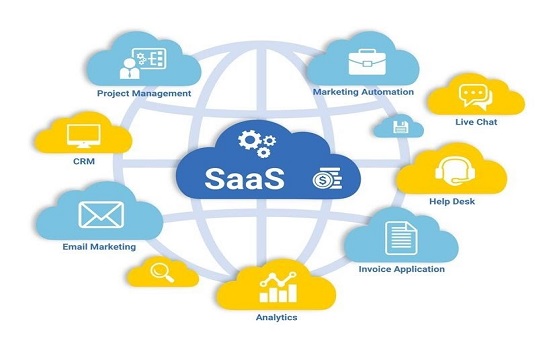
Over the ten years, SaaS has grown to be the primary service delivery model for companies across all industries. According to a Gartner report, over 70 percent of companies utilize this model. The SaaS delivery model has indisputably changed how software vendors market and sell their software. With SaaS hosting, companies can create, distribute, and manage software on the cloud easily and in a more cost-effective way. However, the success of any SaaS delivery model is dependent on several factors including the flexibility and scalability it offers. It relieves companies of hosting and managing applications on premise by hosting applications in the cloud. What Is SaaS? SaaS — Software as a Service — for example, Gmail or other cloud applications; the client uses the application, the basic settings of the application are managed by the provider. IBM reports that 80% of companies increased their use of cloud managed services in 2017. The two driving factors are complex technologies and competition. Companies are now finding it too expensive to constantly build and upgrade servers in-house. SaaS hosting may transform your business by:• Delivering new technology to companies that previously couldn’t afford it• Significantly reducing the technology bill when compared to on premise servers• SaaS applications interconnect more easily compared to traditional software, increasing company efficiencies• SaaS hosting provides 24/7 Why do you need to evaluate hosting options for your SaaS product? As aforementioned the hosting company and the type of hosting you choose can make or break your business. Remember the application’s performance is very much dependent on the hosting. As such, you need to first figure out your hosting needs requirements. Some of the crucial metrics that you’ll be looking at here include the cost of scaling to cater for huge traffic, cost-to-performance ratio, web app storage space, and support. It’s vital to know the different types of hosting services available when choosing your SaaS hosting service provider. Currently, there are three main hosting services. They include: Shared hosting With shared hosting your website is hosted on the same server with other anonymous websites. Meaning that you’ll share space as well as other resources with other users. Shared hosting is the cheapest among the three. However, it’s major drawback is that it is less secure compared to cloud hosting and dedicated hosting. Cloud hosting Cloud hosting, on the other hand, is IaaS (infrastructure-as-a-service) cloud delivery model. With cloud hosting, your website’s data is stored on multiple, different servers. This means that if one server fails, another one will kick in and keep your website running. Cloud hosting is a perfect option for business owners who require near-perfect uptime and want to grow their servers as they see fit. Dedicated hosting With dedicated hosting, the entire server is dedicated to a single business. There are several benefits of using dedicated hosting such as on-demand deployments, single tenancy, consistent performance, customizability, security, and scalability. However, the benefits are relative to the use case – and the needs of the business. With that in mind, let’s look at how to choose the best hosting for your SaaS product. 6 Things to consider for choosing the right Hosting Provider for your SaaS/Web App The best way to select a SaaS provider is by doing it the way you would select your own technologies in-house. That starts with a thorough understanding of your business. Technology isn’t the only factor in a successful investment. Your SaaS solution must drive business value as well. You must connect the dots between software and revenue, and everything in between. You’ll go through cycles of technology investments during your business’ lifetime. Be sure your SaaS host will support them all. Consider the following six factors when choosing an SaaS provider: 1-Understand Your Unique Business Needs There is a great deal of chatter online about the ‘Best SaaS Hosting Solution.’ But it is the individual support of your unique business needs you should have in mind. Start by assessing exactly which services you would like to shift to an external provide. This can be things like:• Website and server hosting• Server backups• Cloud Storage• VPN• DDoS protection• Server Administration and Management• Content Management Systems Cloud companies have proliferated so that there is an ongoing list of capabilities they can provide. Determining exactly which services you need is a great first step. Pricing is another business need you should consider. You will want to balance capabilities with your pricing points. This becomes more difficult as you juggle the different capabilities you want from your solution. For example, you want cost-effective scalability. If your company grows quickly, you must facilitate that growth. Look for pricing structures that support this on your terms. Does your SaaS hosting solution support all present and future capabilities you will need? Don’t corner yourself by selecting a solution you’ll change only a year from now. You have a clearly outlined business plan, which should include your technology details. 2-Evaluate the Technological needs of your business Even as your business begins to shift away from in-house servers to SaaS applications, you still need to consider the resources you may decide to host internally. Perhaps you have an in-house accounting system. Your own IT team manages the system, and you’d like to keep it that way. So, what does it have to do with SaaS? You may find you need to integrate these solutions with cloud applications. You may want that accounting system to link up with your Customer Relationship Management portal to cut down on bouncing between applications. Interoperability with these is essential, even if you don’t need it at first. Make sure to consider all of the applications you currently run, and work with a SaaS provider that can integrate with as many of them as possible. 3-Consider How Your Investment Will Support Future Initiatives As your business grows, you will want to scale your SaaS resources. Ensure your SaaS provider has fair offers when it comes to increasing your investment. They should offer discounted pricing for
The Significance of Business Needs in Software Projects
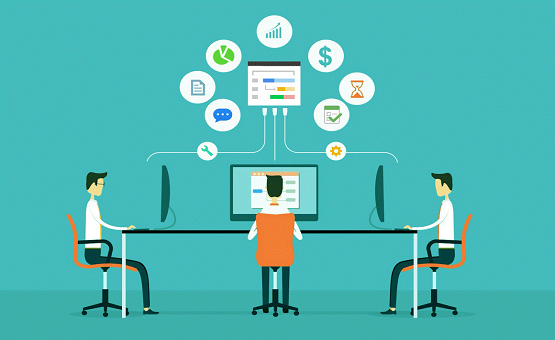
Have you ever been dissatisfied with the deliverable of an IT Software Development Company? Did you ever feel like the product you were looking forward to isn’t meeting all your business needs? Every new activity, product or project is created in response to a business need. Yet we often find ourselves in situations where, despite spending tremendous money, there’s a conflict between what has been created and what is actually needed by the business owners. What could be the possible reason for such conflict? The answer is poorly defined business needs. First, let’s discuss business needs. What are business needs? Business needs are an important component of any IT project. Known at the beginning of any project, business needs describe all activities and characteristics of a project’s end product essential to meeting business goals. The process of gathering business needs depends on the knowledge, and expertise of business analysts who facilitate to make sure that a project’s overall mission and components align with business goals. What will that mean for the team on the development side? How is their work affected once they’re building a product without properly determining business needs? • They have an unclear vision for end product. • They won’t be able to leverage the right skills for the desired tasks. • Poor communication about the business goals end up making a software product that is not at all aligned with the business objectives. • The lack of knowledge about the problem their code is aiming to solve, can result in a nonproductive environment. • The code starts to produce bugs overall doesn’t work towards meeting the end business need and this makes perfect sense as developers don’t have a vision over the goal of the entire project. Why is it important to define the business needs to a Software Development Company? Following are some of the key impacts of defining Business Needs in a Software Project: Vision of the ultimate goal Successful software development requires an understanding of clearly defined business needs. Once you combine the objectives of both your business and therefore the development team, you finish up creating an ideal environment for developing the software and your product. Therefore, business needs must be addressed in a software project as they provide a vision of the ultimate goal. With the goal in view, developers can set priorities. they can also apply their expertise to supply better solutions to succeed in these goals. There’s a reason why business analysis is included within the development process in most companies. It helps in creating a more comprehensive business case in the quest to justify their project. This is an important task that occurs early in the project and helps to set the stage for agreed upon work (and what the team should not be working on). Without clear business requirements, poor decisions will be made. Decisions that may hamper development, disrupt deadlines, and lead to extra development stages. Any experienced software development firm will always give importance to documenting the requirements of every project. Listed below are a number of the advantages of defining business needs during a Software Project: Ideal Development and Effective Implementation Plan By knowing what the business owner wants, software developers can come up with the ideal development and implementation plan. Understanding the business requirements lowers the risk level and allows clients to enjoy better satisfaction levels by receiving efficient products in the first attempt. Defining business needs in a document ensures a successful software development project. Business Intended Project One of the finest ways to increase the chances of a successful software project is to make sure you’re designing and developing keeping in mind the nature of business. This is why it’s crucial to understand the needs of the business throughout the process. When you create a value-driven development process, you can identify what solutions your product brings to your business. For example, you can write out the desired results at the beginning of your project that answers your business needs and resolves the problems of the intended users. Client Satisfaction and Loyalty Each business owner considers the project from his or her individual perspective. To build a complete picture of what the project should achieve, a software development company must understand these different perspectives and gather the different requirements. This will not only help you to attain the satisfaction but also the loyalty for future projects. Through dedicated relations, companies can ensure businesses do not forget their initial positive experience. Eliminates Miscommunication Undocumented business needs in a software project lead to miscommunication on all sides. It’s not at all rare that a business owner and a developer understand the same terms differently. Especially when we’re talking about an outsourcing software development company that’s not entirely acquainted with the business needs. Miscommunication, in turn, lays a straight path to constant rework, changes, and bug fixes. Usually, this chain ends with disrupted deadlines and costs that go through the roof. To ensure smooth software project development, all parts of the product and the process of its development must be understood by every team member in the same way. To ensure that developers see each feature of the product exactly as the business does, it is crucial to define the business needs. This will help the development team to measure the product against their goals and maximize the value flow. Bring Consistency When business needs are not clearly defined, stakeholders might not be familiar with the basic scope of the project, and end-users may be tempted to describe all sorts of functionality that your project was never designed to provide. This affects the consistency of project development which can be a tedious, time consuming process resulting in demotivated and frustrated developers. To help you avoid problems like these, a focused and detailed business requirements analysis is necessary. This is the process of discovering, analyzing, defining, and documenting the business requirements that are related to a specific software project and it’s the process by which
5 Reasons for Application Migration to the Cloud
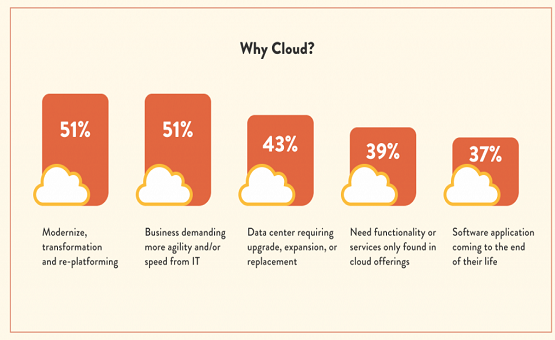
The businesses are now increasingly migrating their application to the cloud. Cisco estimated that over 80% of businesses are generating traffic through a cloud-based system. The leading vendors are delivering great performance through cloud management. A good example is Amazon that achieved a huge 42% increase in its revenues in the initial quarter of 2017, indicating a great value in performance. There is now an increased cloud migration wave throughout many businesses. The revenue-driven prospect has encouraged the businesses to migrate their storage, software, and data to the cloud system, thereby preparing them for a leading change in their respective industry. This blog determines five reasons why the corporate situations are now promptly shifting their clientele and corporate systems to the cloud. 1-Get More Value from IT The businesses now seek more ways of getting an increased value from their IT system. The entire cloud migration system can enable CFOs and CEOs to identify that their infrastructure-based IT system is quite expensive, leading to achieving less business growth. The cloud system generates maximum value for the IT operations while prompting an executive achievement. It also helps in embedding the company’s infrastructure into the targeted product and service. It can further increase business innovation and lead the IT teams toward the effective maintenance of their support services. There is eventually achieved forward-thinking ways for the businesses, leading them to achieve overall business growth. 2-Gives Efficient ERP System and Email Support to the Cloud The smooth migration to the cloud enables businesses to avail of the fastest moving ERP system. It supports the email system to the cloud and leads to more Software as a Service (SaaS) licensing. It generates a more efficient cloud solution for firms while enjoying traditional on-premises ERP businesses. It then drives the companies in gaining a more sophisticated change and software development system. For example, it ensures in achieving a more effective ERP and cloud-based software system automatically. It ends the needs of getting potentially unwanted upgrades, giving no chance of disruption in any way. A direct migration to the cloud enables businesses to achieve manifold resources and benefits. These include getting better infrastructure teams that are supportive of the email system and ERP solution. Another benefit and resource-based value are to get a fast-paced movement of business activities being carried out to the cloud. 3-Provide Large Hardware Refresh The cloud is quite useful in gaining a large hardware refresh, such as considering a large capital expenditure. The systemic migration to the cloud leads the businesses to remain saved from limited on-premises hardware. This tool is also useful in benefiting from depreciating assets that generally impact the companies’ borrowing abilities. It provides a giant technology shift for almost three to five years or more, thereby retaining a great business future afterward. The migration to the cloud is simply less expensive, meaning that the aggressively made investment in the cloud pays back profitably. The cloud has a better efficiency in leading the biggest possible workloads amid the fast-paced business operations. 4-Eliminate Business Outpacing Growth for Infrastructure: The businesses always seek effective ways of infrastructure development, causing them to shift to the demanding pace of the cloud. The businesses quickly grow from the cloud system and subsequently achieve better clients’ management. The cloud has become a bottle-neck for every type of business, encouraging them to avail of the right cloud technology system. There also comes a benefit of creating reliable new corporate systems, such as scaling demand of business and increasing the overall corporate operational speed. The cloud is a highly effective way of gaining rapid prototyping for businesses. For example, cloud technology establishes a fast-paced environment where the ideas move quickly and strategically. The cloud works automatically even when the business professionals leave the work for a while or for a certain period of time, such as during 1 p.m. break or amid the off-time duration of one or two weeks. The businesses also start working with simplicity, meaning that they enjoy a new development of servers throughout the year. The cloud technology reads the credit cards and other financial information instantly in minutes while keeping a secure web-based system. It eventually provides robust scalability of the products and services and subsequently exceeds businesses’ expectations in a wider manner. 5-Future is Cloud Technology for Businesses The businesses will be getting a diversified network of buying and selling their products and services, particularly in the next five years. The future of cloud technology is worth noting because it helps businesses in gaining an efficient migration system, selling off businesses, and maintaining of corporate data. The IT operational activities become highly adaptable to every business through cloud technology, leading the businesses to work through a severance IT agreement. The businesses finally get a chance and adaptability to acquire other IT-supporting projects and firms while identifying the best driven corporate IT applications and data.
How to Sustain your Business in a COVID Economy

In a world of crisis, with a visible increase of the COVID cases, every small/large business is somehow under effect. And the huge bulk in stats shows that it is not going anytime soon. So, the only way to deal with this pandemic is to learn how to accept this fact and learn to use your strengths to get on top of it. A major damage is caused to the economy, hence, causing damages to businesses and to be even more specific, small businesses or startups. In this article, we are focusing on how to sustain your business in a damaged COVID economy. Empathy is the key To get started the key element for surviving the current situation is empathy. Let’s face it, everyone is having a hard time, trying to make peace with the situation and the adverse effects of it. So, being empathetic to your customers can be very fruitful for your business. In order to sustain your business, you need to focus more on how to keep your current customers then on making new customers. For generating a reasonable revenue, you need to work on your customer relationship to begin with. You need to check up on your customers, talk to them about the situation and how they are dealing with it. Stay empathetic towards them and provide them a top-notch service, even if it costs you a little on your pocket. To bring all this into action, you will need to have an interactive portal (if you don’t have one right now) where you can make communication with your customers such as an interactive portal where they can freely express their concerns about the products and seek help. Give them surveys and use the research of these surveys for their help. A little help in these hard times provided by you will make a huge difference not just now, but will also go a long way. Digital Transformation One thing every business has learnt pretty well as a result of this pandemic and that is the importance of digitalization. Every company which has made digital reforms in the past few years is now enjoying the benefits out of it and whoever stayed lazy to own the approach is.. well, not so happy now. With everything becoming remote, a very strong command on online services have helped in making huge profits for most of the businesses. Even if you have not practiced this approach in the past, it is never too late for it. Go digital now! You need to start with e-commerce platforms and social media presence. Let us see how. • Make sure to be visible to your customers even if you are physically not present. Spend a normal amount on this transformation and make sure to not go overboard with it. • Write newsletters, blogs, social media posts and to be even more prominent, make channels and do live webinars or podcasts. • Pay for the ads as they keep your business visible in the market. • Make the most out of social media presence as people have a lot of time on their hands and they can use it to learn about you. There are a lot of social media platforms and you can always pay for ads as well as blog posts to keep your business afloat. Take baby steps towards the approach but make sure to be innovative and consistent. It will make a huge leap in your business world. DO NOT Lose Value and Quality! I know it might sound easy but with the other factors kept in mind, make sure you do not, at all costs, lose the value and quality of your products and services. This can be challenging but it will put you in a very bright spot when it comes to keeping the customers happy and content. If your customers have any complaints about the decreasing quality, take effective and rapid measures to give them what they need. It goes without saying that DO NOT lose the quality of your products. Focus on everything that you can control and make visible improvements. If you are able to maintain the quality now, you will achieve customers’ trust and it will yield very positive results. Cut the (Unnecessary) Costs Of course, every business needs a whole lot of stability to make sure they can move towards cost cutting techniques. In an uncalled-for situation like this, you are supposed to take onerous steps to save yourself from falling under the bus. One such step is to cut the costs of your products or services to a specific percentage. It is a very important step as it helps you look good in the eyes of your customer and gives the other business a tough competition. As I already mentioned, it is a hard pill to swallow but it will in return give you very visible results. However, please be very careful on this as the key requirement on doing this is for your business to be stable and secure. You need to make sure that the cost cutting does not put you in a dark spot, from where you cannot very easily emerge back. This pandemic is going to last for a while now, according to the expert opinions so make sure that the cost cutting is efficient and smart. Do not make it a losing proportion for your business and make extremely safe decisions. Learn from fellow Entrepreneurs No matter what you do, there will always be some competitor with an amazing technique to make their business grow. Learn from your competition. Make sure you make the best use out of the market techniques other people are using. Read their articles and listen to their podcasts or webinars. Make sure that you make the best use out of every resource available online. It does not cost you anything to learn new techniques from the other entrepreneurs and implement them resourcefully, especially in these hard times when everyone is
Key Role of Project Discovery Phase in Custom Software
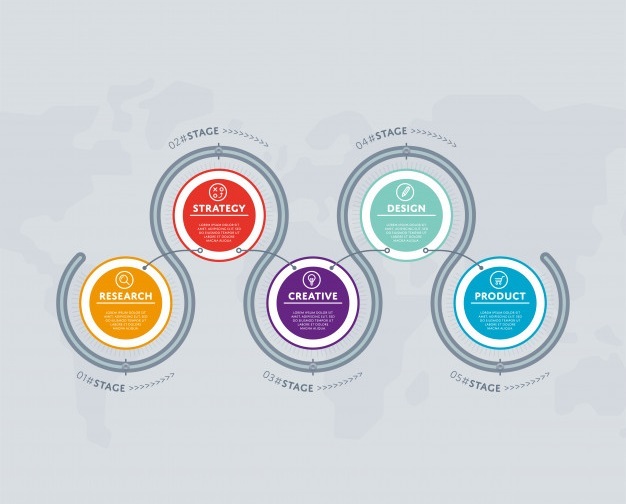
Well how often in everyday life do we come across the launch of a new product such as a software or a website or any product benefitting any cause? For the target audience it is just a product launch, but only the business owners know how many steps an ideal project undergoes to be launched and made available. The minor ones may vary company to company but the primary and most vital steps taken by the business owners are pretty much what makes the product good or bad. The primary thing to start with is the critical thinking and planning where all the aspects of the project are analyzed very carefully. In this blog, we will go through the main and the most vital step in the custom software development cycle. Main stages in Project Development Typically a project undergoes a series of trivial steps and these steps may vary a little with respect to the name but are usually the same. The main stages are as follows: Initiation:As the name shows, initiation refers to coming up with the idea of what you are going to design. It means getting a nod on the idea from everyone included in the project and the initialization of the project. Planning:The time window and the steps to make the project successful such as the resources to utilized, the people and their roles and deadlines for every role. You need to plan the whole thing to make sure that everything is well organized. Execution:The core role where the execution and the implementation of the project takes place. The main steps of development and testing after which the product development reaches the final steps closer to the launch. Monitoring:The step where you monitor the post execution phase of the project. The performance monitoring of the project where the project’s progress is figured out according to the launch and release. Project Close/Release:The final launch of your product when the product is presented to the end users and the customers. The customer decides whether the requirements are actually met or there is still room for improvement. Project Discovery Phase: What is it and why is it needed? This brings us to the main topic of discussion of our blog that is what is the discovery phase and why is it absolutely necessary for a project to undergo this phase. The Project Discovery Phase is the process of collecting and carefully analyzing the information about the project such as the main purpose, the objective and the problem statement and the solution. You need to define the scope of the project and the goal as well as the limitations. Most importantly, you need to decide your target audience and how your project will server their needs. The main heads such as the project manager, business analyst and the account managers are the leaders leading the discovery phase. Now let us answer the second question that is the purpose of why this phase is so important for the success of the project. This discovery stage keeps you aware of all the aspects of a project and most importantly gets you prepared for any uncalled circumstances your project can go through. It minimizes the chances of any uncertainty and risk causing factor deep rooted in your project. Pretty cool, right? Now let’s get slowly into the detail of the project discovery phase. Personnel’s Involved in the Discovery Phase A group of people are responsible for the implementation of the discovery phase. We will look one by one which role is important and why? Project Manager/Product Owner From the technical perspective the project owner is the person who decided the requirements of the project after either gathering requirements from the customer or by searching through the market to see what the requirements are according to the problem statement and the solution to be proposed. If using the scrum methodologies, the product owner creates a User Story that contains the business requirements and the steps to be taken. Another thing to be determined is the acceptance criteria of the project which decides when the project is accepted by the product owner as per the provided requirements. The timelines are also defined by the project owner where the defined time is the total time taken by all the persons involved in the development of the project. Interface Designer The designer which defines the user interface and the requirements that the interface needs to cater as per the requirements defined. The user interface needs to give accessibility to the main product keeping in mind the complexity levels as per the end user. The designers need to keep the estimated time in mind and create a prototype for the first experience and then keep modifying it till all the requirements are completely met. Software Developer Lead The key person involved who manages all the heavy development using a set of tools and a well-defined set of APIs as per the specifications of the project. The software usually goes through a process called SDLC (Software Development Life Cycle) where the necessary steps are proposed and the phases are decided through which the project undergo. It also includes the architectural and technical experts and their takes on the whole project. And finally after the project is developed, the testing phase starts which makes sure that all the requirements presented by the stakeholders are met and work perfectly fine. Stakeholder/Client The stakeholder or the client is the person that is presented with the final product. The stakeholder then decides if the project contains all the necessary requirements as per the business specifications or the project needs to undergo another phase of development to satisfy the required needs. This process is repeated to the extent when the client finally decides the launch to be finalized after being presented with the perfect product. Roles of the Project Discovery Phase This brings us to the main stages of the discovery phase i.e. the tasks and the responsibilities of the mentioned people
Begin with MVP Prior to Custom Software Development
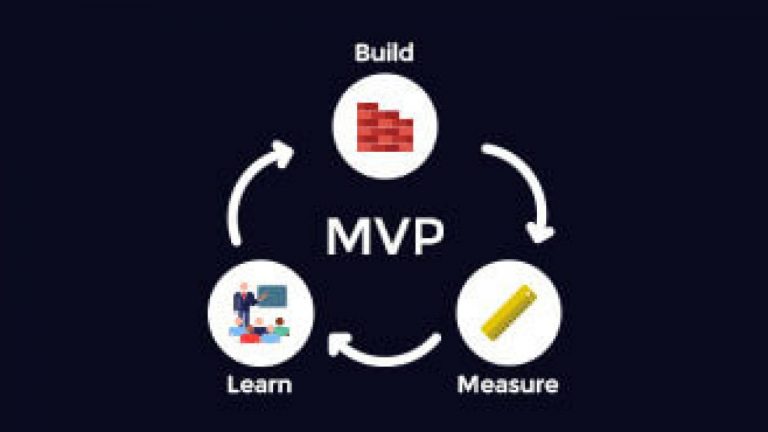
While starting up a new business, most entrepreneurs think that they are creating the next big thing. But little do they know their new startup can easily run out of business if they don’t plan out their business execution smartly. The risk factor is even higher in the Technological industry. In fact, according to Shikhar Ghosh, an Entrepreneurial professor at Harvard, almost 3 out of 4 startups fail every year. Bad ideas, incompetent team, poor marketing, lack of market interest, and poor management are few of the many reasons for these failures. But 74% of high-growth online startup flop because of premature or early scaling. Companies without testing their hypothesis roll out their final product into the market to gain instant popularity, resulting in extreme disaster. People often forget the success stories of today’s multi-billion dollar companies Uber, Airbnb, FourSquare, and Twitter. Only a few people remember what these applications look like in their initial stage. But the common thing among these companies is that they all built their brands through MVP. These brands launched their products with only a few basic features to see how the market will perceive it. Later all of them enhanced their apps according to the needs of their target audience. With that being said, in this article, we will discuss why it is better to always invest in MVP first before starting the custom software development and how MVP can benefit the companies in succeeding in this cut-throat industry. What is MVPMVP, the most successful methodology used by many entrepreneurs stands for Minimum Viable Product. As the term suggests, it a product with minimum features that is viable enough to fulfill the needs of early customers. The MVP shouldn’t be perfect, however, it must give the essence of the product or service you’re going to offer which, if not all, some of the early adopters resonate with, pay for, and give you valuable feedback. The concept of MVP is originally derived from the Lean Startup methodology, proposed by Eric Ries. According to this concept, MVP is all about working smartly, discovering more, and spending less. Eric Ries defines MVP as“the unfinished version of the product which allows the team to gather the maximum amount of customer insights with the least amount of resources.” The key premise of MVP is based on a simple pattern: build-measure-learn. With the help of an MVP, you can easily evaluate your vision without having to spend tons of money. Besides financial benefits, the results collected from MVP will highlight your audience’s expectations and will enable you to build the app that fits with their demand. However, it’s important to understand that MVP doesn’t mean a bad product, instead it’s a simplified version of a complex idea. The main point of building an MVP is to launch early but launch simple. Some early release of the feature will allow you to set foot into the market first. Once the idea is validated you can now invest in the upcoming releases and jump right into the Custom Software Development. Now, let’s explore all the key reasons for using the MVP approach first before starting the Custom Software Development to understand the feasibility of the application and how it can be beneficial for the new startup. Benefits of Starting the Business with MVP before moving to Custom Software Development Clear RoadMap Through an MVP a company can easily define its value proposition and examine the vision. Once you have a clear focus on what and why you want to offer this product/service your goals eventually become explicit. Every app offers plenty of features, but before moving to custom software development it is extremely crucial to prioritize the features you’re going to offer in the final version of the app. MVP allows you to decide which features are a must-have and valuable for the customers and which are only extra. In this way, you can set clear targets and develop a trial version with only core features to test the value proposition. By doing all this, you can smoothly address all the issues one by one and launch a fully-featured successful app in the future. Generate Funding from InvestorsMoney is the heart and soul of every business, hence you are lucky if you have saved up a couple of million and can spend it in any way you want. While others have to raise funds by attracting investors and showing them how valuable their product is, as the investors only look for the business which is promising enough for them. With that being said, the MVP approach is really helpful in this regard. Once you have launched an app with limited features and received some positive feedback from the early adopters now you can present your business idea to the investors with ease. It will prove the feasibility of the product and increase your chances of getting high funds. Rapid Launch A Minimum Viable Product doesn’t need to be perfect. It should only have a basic set of functions to satisfy the customer’s demands. Hence, creating such a version doesn’t take much time and effort. And as soon as you’re done, you can quickly launch it into the market and get valuable feedback instantly. Besides, through an MVP you can analyze the marketing strategies and sales channels thoroughly. Means the faster you launch, the better you can plan out your business and gain valuable experience. Cost-Efficient As compared to a full-fledged app, an MVP only consists of basic features. Hence developers don’t need much time developing it. Due to less time, you will need to pay less amount for the services as well. Also, the MVP reduces the custom software development cost in a way that developers don’t need to spend a hefty amount in one go. Rather, they invest the amount gradually in improving the existing product and extending the features one by one. Valuable Customer Insight Every business desires to make a strong bond with its customers as soon as