
Why Professional Brand Stationery Design Enhances Your Business Image

Table of Contents/Outline: Introduction Overview of how professional stationery impacts business image. Creating a Strong First Impression How quality and design leave a lasting impression. Key elements to focus on for the first impression. Enhancing Brand Recognition The role of consistency in logo, colors, and typography. How branded stationery improves brand recognition. Boosting Professionalism and Credibility Why well-designed stationery builds trust and credibility. Tips for enhancing professionalism through design. Supporting Brand Identity and Values How stationery reflects your brand’s personality and values. Design considerations for aligning stationery with your brand. Supporting Marketing and Networking Efforts How to use stationery as a marketing tool in business settings. Tips for leveraging stationery in networking. Improving Internal Communication and Culture How branded stationery enhances internal communications. Benefits of using professional stationery within the team. Conclusion Summary of how professional stationery design can elevate your business image. Ever received a letter or business card that instantly caught your eye? The feel, the colors, the professionalism—it all speaks volumes. That’s the power of professional brand stationery design. It may seem like a minor detail, but it plays a significant role in how your business is perceived. Your stationery isn’t just a piece of paper or card; it’s a reflection of your brand. From business cards and letterheads to envelopes and presentation folders, professional stationery can significantly enhance your brand’s image, leaving a lasting impression. Let’s explore why having professionally designed stationery is crucial for your business image. Elevating Your Brand’s Professionalism Professional brand stationery design is more than just a first impression; it’s a tangible representation of your brand’s professionalism and credibility. By investing in high-quality materials, consistent design elements, and attention to detail, you’re sending a clear message to your audience that your business is serious, reliable, and committed to excellence. Key Elements for Elevating Professionalism: Consistent Branding: Ensure your stationery aligns seamlessly with your overall brand identity, reinforcing your brand’s message and values. Quality Materials: Choose premium materials that convey a sense of luxury and sophistication, reflecting the quality of your products or services. Attention to Detail: Incorporate subtle elements like embossing, foil stamping, or unique finishes to add a touch of personalization and make a lasting impression. Functional Design: Prioritize practicality alongside aesthetics. Ensure your stationery is easy to read, use, and store, demonstrating your consideration for your audience’s needs. Pro Tip: Always opt for a clean and polished design that reflects your brand values and professionalism. Enhancing Brand Recognition Professional stationery is a subtle but effective way to strengthen your brand recognition. Every piece of stationery you send out reinforces your brand’s visual identity. Consistent use of logos, colors, fonts, and design elements ensures your brand remains top-of-mind. How Stationery Improves Brand Recognition: Logo prominence: Ensure your logo is prominently placed on all stationery items, ensuring instant recognition from viewers. Color consistency: Use your brand’s signature colors for all materials to build familiarity. Typography: Stick to your brand’s typography for uniformity across all communications. Key Tips for Brand Consistency: Always follow your brand guidelines when designing stationery. Avoid using too many colors or fonts—keep it simple and cohesive. Boosting Credibility There’s something about receiving a professionally designed letterhead or business card that instantly raises the perceived credibility of a business. High-quality, well-designed stationery indicates that your business takes itself seriously and is detail-oriented. This subtle touch can help build trust with clients, partners, and customers. Why Professional Design Boosts Credibility: Attention to detail: A well-designed letterhead or business card suggests you pay attention to even the smallest aspects of your business. Consistency across materials: A cohesive look across all your stationery reflects reliability and professionalism. Clear messaging: A professional design helps you communicate your values and identity effectively. Tips for Enhancing Credibility: Invest in premium materials for important items like business cards and presentation folders. Ensure that your contact details and business info are clear and easy to read. Supporting Brand Identity and Values Your stationery should reflect who you are as a brand. Are you a modern, forward-thinking business? Or maybe you’re a traditional, trusted brand? The design of your stationery should reflect this identity and align with your brand’s core values. Design Considerations for Reflecting Brand Identity: Modern vs. classic design: Sleek, minimalist designs may work well for tech companies, while traditional businesses might opt for classic, elegant designs. Environmental values: If sustainability is part of your brand, consider using eco-friendly materials and processes for your stationery. Personalization: Including personalized notes or tailored messages on your stationery can help create a connection with your audience. Pro Tip: Always ensure that your stationery design mirrors the tone, values, and culture of your brand to create a consistent brand story. Supporting Marketing and Networking Efforts Your brand stationery is also a powerful marketing tool. When you hand out a business card, send a letter, or package a product with branded stationery, you’re essentially marketing your business. Professionally designed stationery creates an opportunity to make a lasting impression and helps with word-of-mouth marketing. Ways Stationery Boosts Marketing and Networking: Business cards: These are your mini billboards—ensure they are eye-catching and informative. Personalized thank-you notes: Sending personalized notes on branded stationery can create a memorable experience for clients and customers. Event stationery: From branded folders at conferences to custom notepads at meetings, every detail counts in representing your brand. Key Tips for Effective Marketing with Stationery: Use your stationery in all client-facing situations to keep your brand at the forefront. Incorporate call-to-actions or website URLs subtly into your designs. Improving Internal Communication and Culture Professional stationery isn’t just for external use. It can also improve internal communications and contribute to a strong company culture. Branded materials used within the organization, such as memos, envelopes, or employee welcome kits, can boost morale and create a sense of pride in the brand. How Stationery Benefits Internal Communication: Consistency in communication: Internal memos and emails on branded letterhead look more polished and professional. Team unity: Branded stationery can help instill a sense of belonging and
How Professional Local SEO Can Elevate Your Business in Local Searches

Table of Contents/Outline: How Professional Local SEO Can Elevate Your Business in Local Searches Is your business struggling to stand out in your local market? Are your competitors showing up at the top of local searches while your brand lags behind? It’s time to step up your Local SEO game! Imagine this: potential customers are searching for businesses just like yours in your area, but if your online presence isn’t optimized for local searches, you’re missing out on valuable leads. Let’s dive into how professional local SEO can elevate your business and help you dominate local search results. 1. What is Local SEO and Why Does It Matter? Local SEO (Search Engine Optimization) refers to the process of optimizing your online presence to attract more business from relevant local searches. These searches happen on Google and other search engines and are critical for businesses that want to target customers in a specific geographic area. A professional Local SEO strategy helps your business appear when customers are searching for products or services near them. Local SEO can help boost your visibility by getting you to the top of search engine results pages (SERPs), in map packs, and local directories. Why Local SEO Matters: Key Elements of Local SEO: 2. The Power of Google Business Profile Optimization Your Google Business Profile (GBP) is one of the most powerful tools for local SEO. A well-optimized GBP can help your business appear in local searches, Google Maps results, and even voice search results. This tool showcases essential information about your business, like your location, hours, phone number, and reviews. Key Tips for Optimizing GBP: Monitor and Update Regularly: 3. Local Keywords: Targeting Your Audience Where It Matters Most Just like regular SEO, local SEO relies on keywords to determine what your business is about. The key difference is that local SEO keywords are focused on your geographic area. Professional local SEO experts use keyword research tools to identify the best local keywords that drive relevant traffic to your business. What to Focus On: Key Tips: 4. NAP Consistency: The Secret to Local SEO Success One of the cornerstones of local SEO is NAP (Name, Address, and Phone Number) consistency. This refers to ensuring that your business information is identical across all online listings. Inconsistencies in your NAP details can confuse search engines and hurt your local search rankings. How to Maintain NAP Consistency: Key Tips: 5. Leveraging Local Directories for Greater Visibility In addition to Google Business Profile, there are numerous local business directories where your company should be listed. These directories help your business gain visibility and build authority. Listings on sites like Yelp, Bing Places, and Yellow Pages can improve your search rankings and make it easier for customers to find you. What to Include in Your Directory Listings: Key Tips: 6. Online Reviews: Boosting Your Reputation and Local Rankings Online reviews play a crucial role in both attracting new customers and improving your local SEO rankings. Positive reviews not only build trust but also help your business stand out in local searches. Search engines use reviews as a ranking factor, so the more (and better) reviews you have, the more likely your business will rank higher in local search results. How to Generate Positive Reviews: Key Tips: 7. Mobile Optimization: Reaching Customers on the Go A significant portion of local searches happens on mobile devices, which means mobile optimization is a must. A professional local SEO strategy ensures that your website is fully optimized for mobile, making it easy for users to navigate and find information quickly. Mobile Optimization Checklist: Key Tips: 8. Localized Content: Connecting with Your Community Creating localized content can help establish your business as a local leader. Whether through blog posts, videos, or social media updates, providing content that speaks directly to your local audience can increase engagement and improve your local SEO rankings. Content Ideas: Key Tips: 9. Backlinks from Local Sources: Boosting Authority Backlinks are a critical component of SEO, and obtaining local backlinks can significantly improve your local search rankings. These links signal to search engines that your business is trustworthy and relevant to the local area. How to Build Local Backlinks: Key Tips: 10. FAQs: 1. Why is local SEO important for my business?Local SEO helps you reach nearby customers actively searching for your products or services, increasing your visibility and driving more foot traffic or local leads. 2. How can I optimize my Google Business Profile?Optimize your profile by keeping NAP details accurate, posting high-quality images, responding to reviews, and regularly updating your services and hours. 3. What’s the role of local keywords in Local SEO?Local keywords ensure that your business is found by searchers in your area, helping you rank higher in local searches. 4. How often should I update my local business listings?Update your listings whenever there are changes in your business information, such as a new address or phone number, and audit your listings at least once a quarter. 5. What tools can help with local SEO?Use tools like Moz Local, Google My Business, and SEMrush to manage citations, track keyword performance, and monitor your local SEO progress. 6. How can I encourage customers to leave reviews?Offer excellent service, ask customers directly for reviews, and provide easy-to-follow instructions for leaving feedback on platforms like Google or Yelp. By investing in professional local SEO, you can ensure your business stands out in local search results, reaching customers where it matters most. So, is your business ready to take over the local search market? Let professional local SEO services from Golpik elevate your online presence and bring your local audience right to your doorstep!
Reasons Why Your Business Needs CMS

Regardless of what size or type of business you have, a relevant website that looks professional, reflects your brand, and garners customer trust is essential in today’s digital world. Building a website typically requires creativity and technical knowledge. CMS can help you leverage both. It allows businesses and individuals to edit, manage, monitor, and maintain existing website pages in a single interface without needing technical knowledge. You can streamline workflows and ensure that your team can easily manage your site’s content by building your website with a CMS. Here are a few major reasons why you should consider using a CMS for your website: Ease of Use CMS interfaces are designed to be user-friendly for those who do not have a coding background, so there is no risk of a writer accidentally deleting an important part of a page. With a great content management system, your team members can easily create, add and manage pages on your site, images, videos, testimonials from your customers, and much more. Working within a CMS will allow you to build pages in half the time it takes to build pages from scratch, especially in case the design requires custom coding. As the name implies, the ability to manage content, rather than just create it, is an important feature of the CMS. In other words, it is equally important to use the system simply and to monitor the progress of results. You can use a web analytics platform like Google Analytics to measure conversions, depending on the goal of your CMS, like a commerce site or a blog. Good Loading Speed A website that takes too much time to load or refresh will only frustrate the visitor and he won’t even take a second to move on to another website. Imagine how many potential customers you will lose with each passing second. CMS dramatically and directly affects how your website performs on different devices. Most CMS platforms provide valuable insights on speeding up your website in their built-in reports. These insights include simple tips like minimizing animated text and limiting the use of custom fonts. You can boost the website speed with a CMS that supports site speed, optimization plug-ins, caching plug-ins, and other tools, such as JS (JavaScript), HTML, and image optimization. Uniform Look One of the most helpful features present in most CMS platforms is the ability to create a template. With CMS, you don’t need to go through the hassle of manually changing design elements on each page. You can simply make a change to a template, and then apply it to all pages using that template. This will give your website a uniform and professional look with functionality that’ll cater to your customers and prospects. Support for SEO The role of SEO is to increase the likelihood of your page being found online via search engines. In other words, the better the SEO performance is, the better the website visibility will be. You have to continuously focus on improving or maintaining your search ranking if you want your website to stay on the top in the search results. To do so, you need to ensure that the site content stays relevant. Thanks to the ease of content editing in CMS, you can optimize your title, meta descriptions, keywords, and even add call to actions, all in a single text field without adding extra tools or plugins to your website. You can also make links clickable, add paragraph tags, and suggest best SEO practices to the user with intuitive CMS platforms. CMS will let you optimize the crucial factors of SEO; content marketing, on-page SEO, and off-page SEO. Cost Saving Imagine that you got your website built by a specific developer in a complicated language that only a few professionals know. The lack of expertise will raise the prices for the service which will make it very expensive for you to keep the structure functioning and updated. CMS allows people with little or no technical skills to easily create, update or modify the website content. All you have to do is simply log in, make the edit, and hit save. This means no more urgent calls to offsite developers for minor tweaks and edits, that can add up into big bills. CMS allows even the most novice web designer to create or update the entire website’s design and layout Fast Installation and Easy Upgrades Installing a CMS is much faster than coding a website from scratch. With the help of standard bundled features that come with the CMS, you will be up and running in little to no time. CMS mostly comes with round-the-clock support teams that are constantly working on updates and new features. Doing so means that your website always stays up to date. Potential security risks or vulnerabilities are dealt with quickly ensuring that your website is always secure. User Permissions Needless to say, there will be more than one person at your company working on the website. A CMS allows you to customize user roles and permissions for each team member based on their responsibilities. This makes sure that the contributors have been granted access to only what they need and this also helps prevent the risk of users accidentally altering something they shouldn’t. Furthermore, you can also create workflows to ensure the content gets posted only after proper approval. Security With continuous digital technology advancement, the threat of data breaches increasingly hovers over businesses, making security a crucial factor for any website. Hence you should check what security features come with the software, and what extra third-party security applications you may have to use. High-end open-source applications such as WordPress are built with advanced security mechanisms; however, they do not provide support service for CMS installation and maintenance, so you may need to use a third-party support service. A good CMS should offer robust security to safeguard your website’s data; whether it be from an inadvertent loss or any malicious activity. Conclusion Using a CMS will allow
10 Must-Have CMS Features For Your Business in 2022
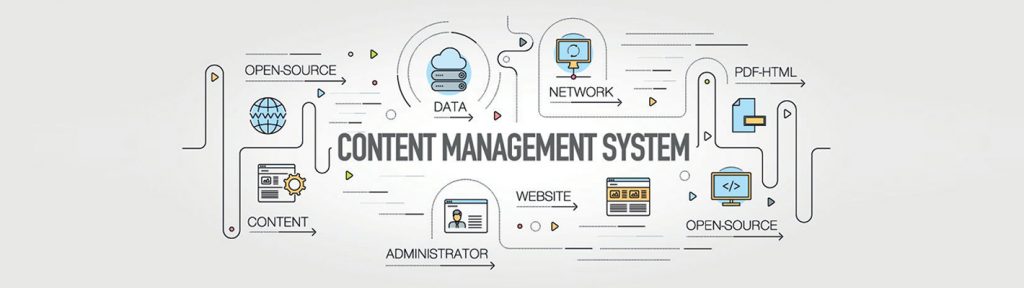
A content management system (CMS) is a software that enables a user to create and control the site’s content, design, and functionality without touching any underlying code. Think of it as driving a car. You do not have to understand the mechanics of how it all works. Instead, you use pedals and a simplified dashboard to tell the car what to do. Not only does a CMS store all of your web content in one place, but it also allows for quick and easy updates, supports collaboration across teams, and offers templates and extensions to customize your site. Before choosing a CMS, it is a good idea to make a list of the business problems you are trying to solve as well as any specific requirements you may have. Doing so will help you choose the right content management system, rather than the most popular one. When it comes to choosing CMS, you should go for the one that would meet your current and future expectations. Below are the 10 key features all CMS platforms should have. Key CMS Features Intuitive Dashboards The dashboard is the heart of any CMS. Whether it be scheduling content, monitoring threats, installing modules and plugins, tracking user activity, or reviewing performance analytics, it enables you to manage all tasks involved in content production and distribution. An intuitive dashboard will display all your tools in an effective and visually appealing manner. Responsive Themes/Templates While evaluating the CMS platforms, it is important to look at the themes/ templates each one offers. Themes are pivotal for creating a consistent look and feel across your site. All posts and pages published on your site should be optimized for all devices which makes it necessary for the theme to be responsive. If the CMS is not offering responsive themes/templates, it is always crucial to check if the download or purchase option of such themes or templates is available or not. Powerful Publishing Tools A good CMS offers a rock-solid, easy-to-understand, and intuitive content editor that allows you can to create and publish content of different types on the go. Ideally, it should allow you to add images, forms, videos, call to action, and more. Moreover, you should be able to rearrange these elements within the publishing interface. You can also leverage from the WYSIWYG – ‘what you see is what you get’ editor. Many CMS platforms have this editor. It allows you to modify a page without writing HTML code and see the changes in real-time. You’ll also want to ensure that the CMS makes it easy to manage the content as you need. For example, you may want to unpublish a promotion, while keeping the content handy to reuse it in the future. Any move should automatically update links to provide website users with a seamless experience. Built-in SEO Tools The in-built SEO tools make it easier for you to boost your marketing efforts. You can improve your ranking on search engine results pages and optimize your content for search with the help of built-in SEO tools in CMS. When you select any CMS, you should check whether it uses the following or not: Proper HTML markup SEO-friendly permalinks Responsive design elements These are the three essential practices all your pages should adhere to be in good standing with search engines. Detailed Analytics When it comes to visualizing what is working best for your business, analytics and insights are extremely important. It is crucial to know where your target audience is moving to further refine the content strategy. You need to know what device are they using, which pieces of content are most popular, and how they are interacting with content on different devices. Your CMS mostly likely will have built-in analytics for measuring the key performance indicators right from your dashboard. In case it does not, it should offer integration with any well-known analytics tool such as Google Analytics. Workflow and Publishing Controls It’s highly unlikely for only one person to be publishing content on your site, irrespective of the size of your business. When it comes to creating and publishing content, you might assign different roles to different people such as administrator, editor, author, and contributor. Having various roles with different capabilities and levels of access within your CMS helps streamline your workflow. It also prevents users from performing actions on your site that they shouldn’t be. For instance, you probably wouldn’t want an intern content writer to write and publish his post without your approval. The publishing controls within your CMS should reflect what your organization needs. With this in mind, your CMS should allow you to delegate controls based on your organizational structure. Pre-made Templates A template is a single-page layout available within a theme or is compatible with a theme and can be downloaded separately. Pre-made templates simplify your publishing process. With these, you don’t have to create a post or page from scratch every time you want to publish new content as the pages are already built. Some platforms offer pre-built templates for website pages, landing pages, and email directly within the CMS. Rest offer templates that can be purchased and easily integrated into your platform. In case you don’t find a template that meets all your needs, you’d like a CMS that allows you to create custom templates and styles along with offering pre-designed templates. Security Maximum security on your web app doesn’t mean just protecting your data. It also means protecting your brand reputation and the data of the site visitors and your customers. You must keep a close eye on security measures when considering different CMS platforms. Look into what built-in features does the platform offers, how much work your team will have to do to achieve your security standards, and whether or not your customers’ data is going to be secure. You may also want to make sure your CMS follows HTTPS, SSL, and CDN protocol, and provides plugin update reminders, daily back-ups, to ensure your data is secure. Integrations
How to Test Your MVP without Significant Investment

What is MVP The concept of a Minimum Viable Product (MVP) was popularized by Eric Ries in his book ‘The Incline Startup’. His definition of MVP is “The Minimum Viable Product is that the adaptation of modern items that a have not too many features but accepted by the customers in the early development cycle of the product. MVP could be a implies to test the item simply during its development phase and to be launching within the advertise. A key premise behind the idea of MVP is that you produce an actual product (which may be no more than a landing page, or a service with an appearance of automation, but which is fully manual behind the scenes) that you can offer to customers and observe their actual behavior with the product or service. Seeing what people do concerning a product is much more reliable than asking people what they would do. Implies an item that has basic highlights and more often than not, no clients need to utilize or purchase it. Practical is the item that an engineer dreams of making with the assistance of available resources to fulfill the requirements of clients. So the term MVP implies a way to construct such a product that has all the highlights and at the same time, has used fewer assets. It moreover ought to be able to urge legitimate input which is how the ultimate item will be developed. Five traits of a successful MVP 1. MVP success criteria are accomplished when the MVP is centered on one person. This implies that a buyer persona is utilized to target the audience and is as particular as characterizing one single individual. Because it is said that keeping in my one individual and solving his issues along with your item gives the most excellent comes about. The greatest botch ordinarily made is building for different groups of onlookers. 2. Indeed even though we are building for one individual, we ought to tune in to numerous feedbacks. Now and then distinctive suppositions and sees fathom most of the issues. On the off chance that individuals fit into the category of your item, take their criticism seriously. 3. MVP does not cruel you have got to do less and anticipate more. Your MVP ought to be able to grandstand what issues your item can illuminate and how can it unravel them. This is often indeed more imperative in case your item as of now has huge competition. 4. MVP test is fair as critical as building an MVP. It is outlandish to gain cash from a fizzled MVP, no matter how much you attempt. So, make sure testing the MVP is an imperative portion of your improvement process. 5. An MVP is assumed to discover botches and assemble criticism. Keeping the dispatch of the MVP constrained to as less numerous individuals as conceivable is going to be an astute choice. What makes a good MVP? Effective MVPs tend to share comparative characteristics. The foremost important of which could be a member’s capacity to unravel a problem or deliver a result that addresses the same torment focuses that you just expected your real participation to address. If it doesn’t, you won’t get a strong sufficient marker that your enrollment will be of intrigued to your gathering of people. Another thing to be beyond any doubt approximately your MVP is that it shouldn’t take a part of the time to create. You don’t need to spend a pointless amount of time arranging and making it as it were to discover that no one needs to purchase it. That’s not to say you shouldn’t make it incredible. You completely ought to, but it ought to as it included negligible forthright work on your part. Sticking down the proper cost is imperative, and I propose charging a figure comparative to what you intend to charge for the ultimate product. Members can either make a single one-off installment (as a rule the identical to your month-to-month charge for your enrollment) or a yearly installment in case you accept your MVP has the same client lifetime esteem as that of your membership. Whether or not individuals are willing to pay for your MVP approves your thought since in case no one needs to pay for the MVP, they likely don’t need to pay for the real participation either. Why does your product need MVP? Who would have envisioned that apps like Twitter, Instagram, and Uber would blow up like this and would pick up world ubiquity? We are guessing exceptionally few. In reality, Twitter picked up its notoriety through progressive development. So, why do you would like an MVP? • Save Resources: When an app is created with numerous highlights and alluring plans, its advancement fetched is tall. An MVP is created with constrained resources and is still an item. The fetched of creating an MVP can extend between $10,000 to $20,000. Be that as it may, it can be less than that as well. • Define your audience: As a startup pulling in modern clients without investing an overwhelming sum in advertisements is very troublesome. MVP for new companies could be a way to bring in more users by investing less. On the off chance that clients discover your item great sufficient, they will communicate it to their companions and that’s how things go viral. Also, when the ultimate item is propelled, getting paid clients from the existing client base ended up possible. • Get feedbacks for your product: As expressed now in our article, titled “What is Minimum Viable Product “?considering MVP makes a difference with gathering client input. This feedbacks assist gets to be a way to get it how certain highlights ought to be built. And this way spares the designer the time and takes a toll to go all-in with the item whereas guaranteeing way better advertise response. • Save time and engage in development:
Taking Advantage of the Code Audit in 3 Quick Steps
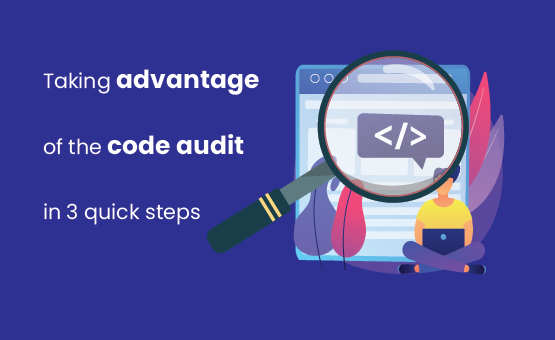
The process of executing a recommendation and the result of the code audit can increase the life of digitally developed products. It possibly pushes it to the next phases of market shares. It then helps in saving the life of the entire business. It is directly a fair matter to arrange an audit, making the counting of a business with the real resulting outcome. Businesses drive a code audit and related information for transforming and updating a platform, website, or app. It’s all about auditing the digital product. There comes a time when a business needs scaling of their large markets. Businesses also start adding newly developed features for different users. What are a Code Audit and Its Expectation for Business? A code audit is an exercising system of checking the digital products through an expertise reviewing method. It deeply involves checking the performance of the product, its reliability, security measures, software architecture, and the entire code quality. A good audit continues to cover different technical-based factors of the product. It further focuses on design components and UX/UI design that impact the way of users’ experience. After completion of the code audit, the resulting outcome recommends the following: The result of a reliable UX and code audit is simply ahead of a general list of problems. Every problem comes with general advice for action to be initiated for better future advantage and evaluation. Every issue needs to be fixed on a priority basis, making the effect of the product truly improving for both the business and users. The success of a product lies in the way of its forward-moving with the problems. It particularly involves working through three main areas of the code audit. These include sustainability, risk management, and technical debt. Code Audit Action No. 1: Sustainability: The objective of a code audit is simply to offer the digital products a newly developed life. Then it creates a great sense of focusing on product-based sustainability. It is a critically difficult problem that is further categorized into four components. These include security, scalability, usability, and maintainability. Security: It is difficult to determine the significance of assuring the app’s security risk to be truly reduced. A spectrum of factors exists in the security issue. The first one is legal compliance where related laws exist for the product usage. An example may include the European Union’s General Data Protection Regulation (GDPR). Afterward, there arises a responsibility toward the customers and users. An example may include the collection, storage, and usage of data of the users and customers. It then includes vulnerability of data loss and theft that generally occurs when the relevant data is used from the clients. Scalability: With every user and its requirement increasing day-by-day, the product requires direct growth onward. Otherwise, the product is left behind the general expectation and benefit. It is usually a lengthy and difficult process, initiating with a prototype to the minimum viable product. Businesses are required assuring the product being fit for the markets. The app is also focused to be working and increasing toward the huge markets. Every step in the process develops with the product and its increasing demands. These entire issues need to be ended in the code, making the app and product workable for all users properly. Usability: The entire product user interface exists similar to an unrealistic thing when the code audit is not in place. It means that the digital product or an app should be utilized with the proper user interface. It becomes counterproductive when the product experiences an unhealthy behavior from any user. The business objective is to completely fulfill user expectations with clearly set forth goals. It also focuses on intuitive navigation and accessible content. It is a great practice that every user experience can have a positive impact on the business-driven product in different manners. Maintainability: It is a level where the business starts understanding, repairing, and enhancing the code of products. At this stage, the code is required to be kept for proper software architecture while updating it for a better experience. The new features also need to be added to the digital product, making it clear, usable, and experiencing for all users. Afterward, there arises a need to regularly automating and testing of the code. It helps in ensuring best practice maintenance while increasing product-based sustainability. The product then undergoes an improvement work where it is checked by several developers/IT specialists. Moving ahead, continuous integration and setting up of programming is analyzed for the code. It includes developers’ way of merging the code with originally identified factors. It assures every conflict between varying working fields is properly and rapidly gathered and worked on afterward. Code Audit Action No. 2: Risk Management: Every project involves some risks. Thus, risk management is a crucially focused component of all projects. The processing factors of executing the code audit are a highly complex matter, therefore, carrying much risk in the system. It requires working on the digital product development phase from the start. The old code seems to have a vulnerability, so it is needed an update and most priority to be focused on systemically. The existing product can also be lost and go alienated, making it complete as a result of an old code of the product. It finally requires an immediate change, making it the most business priority to be focused on time. The success factor of risk management in the development phase is truly a strategic concern. It involves a backlog of different actions and tasks that are necessarily carried out in the code audit. These backlogs help in keeping every task and action on priority while improving them for future concerns. This backlog then supports identifying possible weak spots and addressing every product-based risk. This process of development and improvement drives backlog to the final delivery of the product, clarifying what needs to be focused on afterward and what is achieved from it. The success factor to risk management from backlogs
Ensure User Satisfaction with a Proper Code Audit

A business needs to conduct a code audit or UX of digital products, websites, or apps. When auditing the code, all digital products have strategic stages of life cycle and development. This blog determines these key processes as to how and what needs to be expected from auditing of the web code. It also identifies how a code audit provides a more significant view, as compared to a normal code of products. 10 Situations That Require a Holistic Code Audit: There is a spectrum of reasons as to how a code audit can be worth it for a business. Every instance is considerably different from other cases. However, some cases can be highlighted from other recognized cases to identify their worth. 1-When Buying New Apps or Making Investment in Ones: A person is acquiring or has acquired a firm as a major investor. For this purpose, a code audit is necessary as due diligence. There can also be an instance where businesses have merged and their assets have apps or digital products with them. This product-wise and technology case requires conducting a code audit, enabling the firm to have a better understanding of their status. The comprehensive code audit and its results will determine a good concept about the state of the business functions. It will also support in answering the question as to how much finance needs to be invested in the application, particularly after addition to the firm’s portfolio. It can further support in answering as to how the product’s potential can be maximsed in a due course. Moreover, a code audit can be helpful when a business look for a part-business case, sell a business or make an investment. A broad audit allows in presenting the products honestly while determining all digital products in them. It also resolves the obvious problem of legal liability and similar other issues that arise in the future time. The above cases can better be handled through the code and UX audit simultaneously. There is a need for a full picture when conducting a code audit. For example, a complete guide with users’ needs is required for identifying all assets of the business. It is also necessary for determining the performance of markets and their way of influencing the business aim. A reality check becomes easy when conducting a code audit, particularly regardless of the situation. 2-As Part of the Risk Management Strategy: Every business’s plan and its major component is its basic risk management strategy. Every business is now confronting unforeseen risks, distracting them to fulfill their planned management goals. Therefore, an in-depth product audit is supported in viewing their possible flaws. Moreover, it can also influence the business applications while strengthening its business foundation. It then identifies threats of different types while making the business processes easier to be followed. Conducting a comprehensive code audit as a strategic risk management measure helps maintain and improve products’ marketplace positions. 3-Launching a New Product to Market: Launching a new product to market can be a challenging task to determine its overall purpose. Businesses need to assure that their target users will be availing of the chosen product considering its value. The code audit becomes critical and important, similar to the importance of designing factor and experiencing better. The factor of UX describes how a user trusts the new product while feeling it better. UX goes opposite with the purpose or simply creates fans for the new app. A challenge also arises when a business outsources the creation of digital products. There further rises the need for checking the application’s quality and its respective measures. 4-Security Check: The concern for a security check is a major need for every digital product’s owner. A security check for a possible vulnerability becomes necessary when users’ personal information is stored in the system. It mostly happens when the company’s app starts gathering, tracking, or storing sensitive data. Apart from users’ sensitive data, there rises a need for other different factors, such as mobile app permissions, passwords, email addresses, and other ways where users’ information is stored in the system. Such a checking system is a part of a pre-launching code audit. There could again be a factor of new malware or other viruses affecting the product’s app or website. A business then needs to carry out a code audit, as a security audit, to assure the products from standing apart and never falling from other best practices. 5-Users are Experiencing Problems: Users experience problems due to insufficient auditing or no auditing being done in the past. The reason could also include using the software in an unanticipated way. There also rises a problem of exposure issues that were not resolved on time or were unintended before. Whatsoever, it is time to audit if users are experiencing problems as follows: 6-Product is Being Scaling: An app working right on a small scale cannot give a guarantee of performance as good while thousands of users are connected to it. An audit becomes necessary when an app or website is accessed by 1000s of users. The right scaling strategy is to facilitate a new market or a large audience. A company may be having its app or website’s technical aspects and code up to the right level. However, there rise problems with the user experiences when a website loads for more than five seconds. The factor of mobile version also comes under a problem due to mobile-based bandwidth being unsupported for the respective countries. 7-To Avoid Technical Debt: Similar to the development work, it could be a difficult task to upgrade or change the app functionality with the user interface requirement. For example, modernizing the website or app or simply adding new functionality into it could have a technical glitch linked with it. A leading way to resolve this issue is to carry out a holistic UX and code audit. It becomes necessary to assure the product’s functionality is working fine as well as other complications being resolved
Stand out Among Businesses, Complete Guide to Create Great Email Signatures
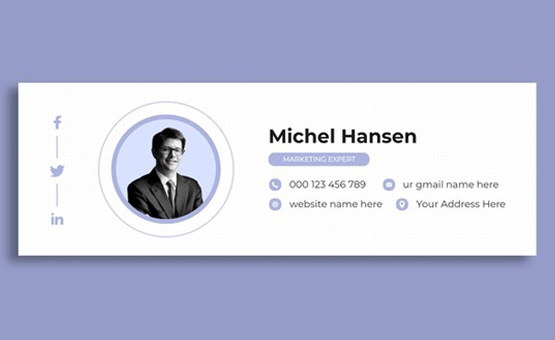
How you sign-off can be a make or break moment for your business – Be aware! Why do you think email signatures are a must-have? Well, nobody wants to miss out a single chance to create a lasting impression on their clients for their business. You may have already been familiar with the paradigm of how worthy these little email signatures can be, and now you are uncertain of how to start & what to write. Well, then you are already on the right page. Let us help you where to start! Believe it or not, some business minds treat their email signatures like an afterthought, which indicated that it has no serious significance. It is usually a record or a common practice of a business owner or a senior employ to send at least 30 to 40 emails in a day. Then you know its 30 to 40 opportunities to market your brand & promote your professional self to those market geeks that receive your email per day. These are not just merely any signatures but a chance for you to make a clear impression of who you are, what your business is, what you are currently working on & how convenient it is to reach you. Follow Simple Steps & Create Great Email Signature For Your Business In this blog, we have covered all the basics for our readers. Now it’s your one of those high chances that can earn you brownie points to stand out among the rest of your competitors. Our best practices & guide will help you have the signature that will go best with your brand. A pro tip – prefer your brand culture & objective throughout. 1. Must have – First & Last Name Plus Affiliation Info. You must have observed your regular snail mail correspondence. The source name must always be included in the top front to provide a clear image to a reader who it is from. These same manifests in the email signatures as well, remember that. The affiliate information which includes your company name, job title, & department must be included. This gradually builds your relationship with your reader & lends you more credibility. Pro Tips Do: Your name should often come as the first line of the signature text.Don’t: Never provide any outdated affiliated information, always keep your reader updated. 2. Your Email Signatures Should Be Used To Increase Conversions Rate. If you are utilizing social media marketing, and let us tell you if you are not then it is high time & you should, then your signature can be best utilized for these big social media platforms. Take good advantage of your signatures & use them as favicons or either link in your signature. Pro Tips Dos: You might want to make sure that these social media handles give a professional feel & and any feed doesn’t look bad at all. Plus, LinkedIn is a must-have!Don’t: Only include limited & relevant links or favicons – don’t trash your signature. 3. ‘Less Is More’ So Keep It Simple. An ideal email signature format doesn’t have any unnecessary context of information – keep it in mind when you have that urge for ‘should I include this & that’. If you have prepared an email signature that is by look ‘too busy’ or in other words is loaded with tons of information, then your reader is definite to get overwhelmed. Also, keep this in mind that several business types demand uniform, simple signatures. Make sure to understand your business type first. Pro Tips Do: In your minimalistic signature style, make sure to include enough information to the recipient can reach you.Don’t: Never try to against your professional business theme – that is universal on all platforms. 4. Give It A Business Card Like Treatment. Just like your regular business card, your email signature represents you. Signatures can be sent repeatedly & this is the only positive benefit among the two. Your email signature should be revealing, easy to read & shipshape to make an ultimate impression on your clients. Pro Tips Do: Essential information must be your top priority. Valid contact information either it is phone number or email address. Add a closing sentence too such as ‘Kind Regards’ etc. Don’t: Your signature doesn’t have any space for your personal quotes or any form of pictures. Too many contact info’s can confuse your receiver too. Bonus Tip: Signature Views in Different Screens & Responsiveness. This is a very important aspect of how your audience views your signature across different devices. Some people use their smart phones to check their emails. So, it’s your responsibility how your signature appears in a portrait view. If you want your reader to access your contact information easily, then the ‘responsiveness’ factor is crucial. Conclusion Gathered the entire guide for your signature? Have note-down all the must-haves? Are we motivated enough to start our work on Email signature? Then let’s get started & share your experience with us. We want to see how great signatures have brought good impacts on your business.
How can a Business benefit from Custom Web Development?
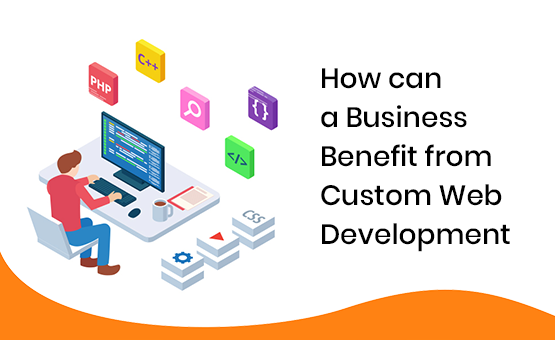
Custom web development is really helpful for businesses as they can improve functionalities of their websites and can enjoy widespread popularity with well-customized websites which is totally impossible with cookie-cutter themes and templates. Well — Are you wondering: How come? Don’t fret; because in this blog post, we will discuss the transition of your business across the Internet landscape with the help of custom-made website broadcasting true vision and mission of your brand. For the majority of people, including you – the process of ‘website design’ is all about drawing a webpage which seems ‘great’ and put you in ‘Wow’ moment. But, it is the end-product. We ignore the most important process – Web development: an important phase in which business ideas are turned into a reality. Since, most of the web development experts prefer WordPress, in reality, it’s not compatible in every situation. Undeniably, your marketing goals, ideas, vision and everything depends upon How you build a better website for your organization. And, the answer is simple; custom web development. Because, it helps you extend the capabilities of your website and you can enjoy better results with ease. So, what are you waiting for? Let’s get started…..! Why your business needs a custom web development service? Rest assured: custom web development can determine the success of a brand or service. One thing you should keep in mind: Most noticeable features for first-time visitors at your website are layout and overall look. Your website is the face of our business or brand. That’s why; profitability and long-term success of your business on the internet depends upon expandability, loading time, features and compatibility of your website. Likewise, an incredible web-design must have outstanding web-developers — There are NO two ways about it. It is indispensable for you to be keen when hiring a team of developers for custom web development. Never settle for less; be methodical, detailed and result-oriented, especially when it comes to new features’ implementation and testing for compatibility across different browsers. Don’t take anything for granted, when you’re customizing your website because even the best ideas are useless, if they don’t actualized. Your business does need a custom web development service because you can incorporate your own creativity, eliminate bloatware and so much to escalate your online sales and optimize your conversion rate with ease. How Can a Business Benefit from Custom Web Development? A website offers numerous opportunities for a business get online presence. No business can thrive without branding itself across the landscape of the Internet. And, what could be the best way other than having your own website? Correct. It’s true. Branding your business on social media is like building your empire on someone else’s land. With custom website, you build your business empire on your own land. A customized website opens up new avenues for a business. Not only can it convey its message to the broader audience but also streamlines business-related operations which results in direct increase in performance, productivity and efficiency. Put simply, a custom website is far better than off-the-shelf- theme or template, because you can incorporate very best features and functionalities into custom-made website — an ease for enhancement that you can’t avail with ready-made themes. Therefore, below are a few of ways for how can a business benefit from a custom web development service:- 1- A Unique Look that reflects message of your brand. You have unique products and services to offer on your website alike every business. Right?? This is your opportunity to benefit from the best personalized website and custom web development is tailor-made for brand, product or company, they are crafted specially for your target audience to help you to outdo your rivals. You can’t expect your online brand to fascinate targeted audience without layouts, fonts and colors. Using the same list of themes and templates is not a good solution. They will make your website look basic and you’ll see plenty of website similar to you. And, can you win your competition when you’ve a basic and a similar theme which has been used by millions of people across the Internet — No. It proves — custom web development is the only remedy for a business to create purposeful, user-centric and persuasive website. Isn’t it? Related Read: How can a custom web development help you in building innovative brand? 2- Clean and Flexible Navigation Dirty and disorganized navigation is like travelling on hazy road with no clear direction. A well – organized navigation plays a crucial role in the overall appearance of a website. A user-friendly navigation improves entire user experience (UX) of an online site. Navigation on a website is nothing more than a collection of links placed horizontally on the top or vertically on the left of the website page and you can also find them placed on the footer of a website. On a customized website, you can get a clean and flexible navigation designed to help visitors stay on your website for longer. Therefore, either you want to set your Ecommerce store or a company’s website, hire a least expensive web development company, and it will ease up transition of leads into customers with minimal yet eye-catching navigation and user-experience. 3- A Wide Space for Creativity With customized web development, a company gets a wide space for creativity. Since off-the-shelf, cookie-cutter and already-build websites can’t allow you try your creative powers. With custom web development service at your disposal, you’ve full control of your website. You can add new features, get rid of bad ones, and can even enhance better ones. Even though, customization may take some time and it does cost big bucks but if done with the right plan in the right direction, you see your website improving and helping your targeted audience find worthy information. Customization of a website helps you to put serial position effect into action. It is a psychological effect which says — people tend to remember what comes first and last and forget
10 Best plugin for WooCommerce
WordPress is now a dominant Ecommerce platform everywhere. And, this dominance wasn’t possible without best plugins for WooCommerce. Started in 2003, WordPress have had a tough time in reaching to the heights of success which it has now. Numerous online stores built on WordPress with WooCommerce are proof of why is it number choice of Online retailers and eStore owners. Here is an eye-opening fact: 22% of the top 1 million Ecommerce websites you have visited or visit to buy products of your choice are WooCommerce-powered. Similarly, WooCommerce has 68% usage distribution (Which is a big success). But, WPTavern, A site which covers news, events, reviews and plugin updates of WordPress, has something important for us to know :- ‘Only in 2018, WooCommerce powered online stores generated between $10 and $15 billion dollars.’ So, wouldn’t it be good for us to find out what are those plugins which helped WooCommerce throughout its journey to become #1 Ecommerce platform? Therefore, I’m going to share 10 best plugins for WooCommerce in detail. Let’s get started…… ! Just guess —— What do you do when you have to buy anything online? You only type a word or phrase to find a required product(s) on Google search or any other search engine, and you receive an avalanche of online stores and Ecommerce sites. Isn’t it? It is…. Right. But, the thing you’re NOT be well-aware of that it is WooCommerce (a WordPress Ecommerce plugin) that dominates in the entire internet – with over 68% usage distribution. Likewise, 22% of the top 1 million Ecommerce websites are based on WooCommerce. According to WPTavern, A site which covers news, events, reviews and plugin updates of WordPress, stated that:- ‘Only in 2018, WooCommerce powered online stores generated between $10 and $15 billion dollars.’ So, wouldn’t it be good for us to go through what are those plugins which help this WooCommerce stand out in the competition? Therefore, I’m going to share 10 best plugins for WooCommerce in detail. Let’s get started…… ! Top 10 Best WooCommerce Plugins to Increase Sales 1- OptinMonster Are you tired of thinking unstoppably about how to boost Your WooCommerce Sales Conversions? OptinMonster has got you covered. Yes, It is the best plugin for WooCommerce. It is based on high-end behavior automation platform which works best to target your visitors intelligently and help reducing cart abandonment. Most importantly, it helps boost sales conversions like magic. Features: 1- Create user-centric forms to convert leads into customers.2-Display personalized messages to targeted audience at the right time with behavior automation technology.3- A/B test your Ecommerce ideas with ease and make data-based decisions in minutes.4- Geo-Location Targeting5- Content Lock6- Page-Level Targeting Pricing: a) Basic Package = $ 9/mob) Plus Package = $ 19/moc) Pro Package = $ 29/mod) Growth Package = $ 49/mo 2- TrustPulse It was studied that the majority of visitors (approximately 98%) leave your online store buying anything, and 70% never come back again because they don’t think as trustworthy. Here, you will have to leverage the true power of social proof to increase your site conversions as fast as possible. Mostly importantly, Are you wondering – What is social and why is it important for your WooCommerce WordPress Store? Social proof is a psychological phenomenon in which people copy other people’s actions because they assume that what others are buying from an Ecommerce store is the right fit for them as well. Studies show nearly 70% of online consumers look at a product review prior to making a purchase. And, Nielsen’s Global Trust ( global measurement and data analytics company ) revealed in its Advertising report:-“Customers are 92% more likely to trust their peers over advertising when making purchasing decisions.” A true tool which can help you greatly in this regard is TrustPulse: It gives users fine-tuned control to skyrocket your conversions, with zero difficulty. Features: 1- Smart Targeting2- Lots of design options3- Detailed and data-driven analytics4- Easy Setup5- Easily integrable on any website Pricing: 1- Basic = $ 39/mo2- Plus = $ 99/mo3- Pro = $ 199/mo4- Growth = $ 349/mo 3- WPForms Have you ever thought why you need a contact form on your ecommerce store? If not. Here, I’m going to share why having a contact form is important for you:- a) Contact form helps reduce spam (Because, if you email address is exposed, chances it will land into wrong hands of spammers).b) Contact form is helpful for lead generation. These forms help in collecting email addresses which online stores can utilize for email marketing for connecting with targeted audience. Now you must be looking for a contact form builder after this fact-checking. Here, I’ll recommend you to use WPForms: Drag & Drop WordPress Plugin. Features: a) WPForms comes with pre-built WordPress form templates that can be easily customized, so you don’t ever have to start from scratch unless you want to.b) This plugin allows you to create contact forms, online surveys, order forms and donation forms and other WordPress forms in just a couple of clicks with zero code.c) Easy-to-Embedd) Form templates and Responsive mobile-friendlye) Spam protection Pricing: a) Elite Package = $ 299.50/mob) Pro Package = $ 199.50 / moC) Plus = $ 99.50/mod) Basic = $ 39.50/mo 4- Product Import and Export for WooCommerce Ecommerce business is high in demand and no eStore owner has time to spend on trivial tasks such as uploading data. So, here comes Product Import and Export for WooCommerce: A plugin which lets you import and export product details to your WooCommerce shop with a CSV file. So, if you’re running an online store, you don’t need to enter all the details of any product in WooCommerce. Just prepare your data in a spreadsheet, Product Import and Export for WooCommerce will do the rest of the work. Below is a video explaining the complete process of installing Product Import and Export for WooCommerce in few steps: Features: 1- Import or export products to your eStore via URL