
Custom Software vs. Off The Shelf Software
Are you struggling to decide whether to opt for custom software or off the shelf software for your business? The decision can be overwhelming, but choosing the right software that will streamline your operations improve your productivity, and help with business development in the software industry is essential. In this blog, we’ll break down the pros and cons of each option, so you can make an informed decision. Whether you’re looking for highly tailored software that meets your unique needs. Or a quick and easy solution that fits within your budget, we’ve got you covered. So, buckle up and get ready to explore the world of custom software vs. off-the-shelf software! What is Custom Software? Custom software, as the name suggests, is specifically developed for a particular business or organization. The Custom software is tailored to the specific needs of the business, and it is designed to meet the business’s unique requirements. Custom software is built from scratch and created by a team of developers who work closely with the business to understand its needs and requirements. Custom software is highly flexible, and it can be easily modified and updated to meet the changing needs of the business. Advantages of Custom Software 2. Scalability: Custom software is highly scalable, which means that it can be easily modified and updated to meet the changing needs of your business. This can help you stay ahead of the competition and respond quickly to market changes. 3. Competitive Advantage: Custom software can provide your business with a competitive advantage. Since it is tailored to your specific needs, it can help you to differentiate yourself from your competitors, and it can also help you to provide better services to your customers. 4. Support: Custom software comes with dedicated support from the development team. This means that if you encounter any problems or issues, you can contact the developers who created the software and get the support you need. Disadvantages of Custom Software 2. Time: Custom software takes time to develop. This means that it can take several months or even years to create, which can delay the implementation of the software. 3. Maintenance: Custom software requires regular maintenance and updates. This can be time-consuming and expensive, and it can also require specialized skills that are not available in-house. What is Off-the-Shelf Software? Off-the-shelf software, or packaged software, is pre-built and available for purchase or download. Off the shelf software is designed to meet the needs of a broad range of businesses and is not tailored to the specific needs of any particular business. Off-the-shelf software is usually cheaper than custom software, and it is also quicker to implement. Off the shelf software comes with a range of features and functions that can be customized to meet the needs of the business. Advantages of Off-the-Shelf Software 2. Time: Off the shelf software can be implemented quickly. This means it can be up and running in days or weeks, which can help businesses save time and money. 3. Support: Off-the-shelf software usually comes with dedicated support from the software vendor. This means that if you encounter any problems or issues, you can contact the vendor’s support team and get the help you need. 4. Upgrades: Off-the-shelf software vendors regularly release upgrades and updates to their software. This means the software can be easily updated to stay up-to-date with the latest features and security updates. Disadvantages of Off-the-Shelf Software 2. Bloat: Off-the-shelf software often has many features and functions you may not need. This can make the software bloated and difficult to use, which can impact the productivity of your business. 3. Compatibility Issues: Off-the-shelf software may not be compatible with your existing software or hardware. Which can cause compatibility issues and make the software difficult to integrate into your existing systems. Custom Software vs Off-the-Shelf Software: Which is Right for Your Business? Deciding on custom software vs off-the-shelf depends on your business’s specific needs and requirements. Custom software is ideal for businesses that require software tailored to their unique needs and have the time and resources to invest in custom software development. Off-the-shelf software is ideal for businesses that require quick and easy-to-implement software with limited development budgets. In summary, custom software and off the shelf software both have their advantages and disadvantages. Custom software is highly flexible and tailored to your needs but expensive and time-consuming to develop and maintain. Off the shelf software is quick and easy to implement, but it may not be tailored to your specific needs, and it can be bloated and difficult to use. Choosing between custom software and off-the-shelf software depends on your business’s specific needs, resources, and budget. If you’re looking for custom software solutions from experts skilled in solving all software development challenges, get in touch! Golpik’s team of pros is at your service!
Healthcare Software Development Industry Guide for 2023
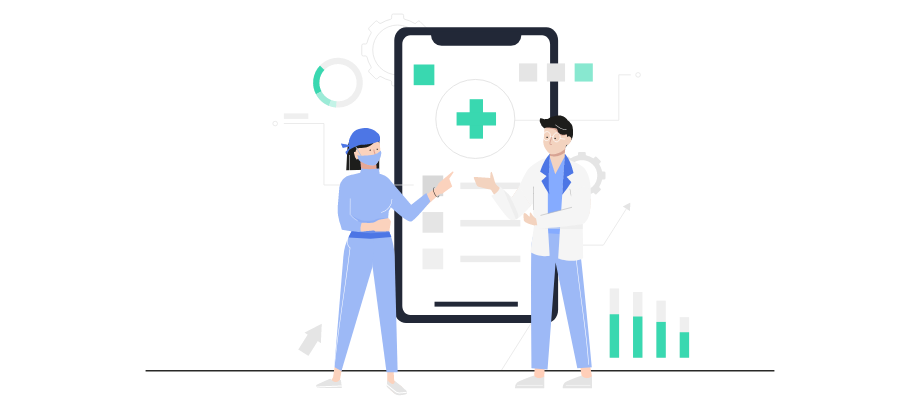
The healthcare software development industry is rapidly growing, and with the advent of new technologies, the industry is set to revolutionize the way healthcare is delivered. With custom software development and new mobile app architectures being worked upon in the healthcare software industry, there are various developments that one should be aware of that will shape the future. This guide will explore the latest trends and developments in the healthcare software development industry for 2023. Trends In Healthcare Software Development Let’s dive deeper into the various trends of healthcare software development. Telemedicine Telemedicine is one of the most significant trends in healthcare software development. With the COVID-19 pandemic, telemedicine has become even more important as it allows patients to receive medical care remotely. This technology will continue to grow in popularity as it offers convenience and accessibility to patients and healthcare providers alike. It also helps reduce costs, improve patient outcomes, and enhance communication between providers and patients. Telemedicine can include video conferencing, remote monitoring, electronic prescribing, remote diagnosis, and other services. It can be used for both primary and specialist care, as well as follow-up care. Telemedicine also helps improve access to custom healthcare solutions for those in rural areas who otherwise may not have access to medical care. Additionally, it can help reduce wait times for appointments, reduce time spent in waiting rooms, and offer patients more flexibility in scheduling appointments. With telemedicine, providers can offer better patient education and engagement, leading to improved health outcomes. Artificial Intelligence (AI) and Machine Learning (ML) AI and ML are being used to improve the accuracy and speed of diagnoses and predict patient outcomes. This technology is also being used to improve patient engagement through virtual assistants and chatbots. ML and AI allow medical professionals to quickly analyze large datasets to detect patterns and correlations that can inform better decision-making. AI and ML can be used to identify potential health risks, predict the need for interventions before they happen, and manage chronic diseases. AI and ML can also help to streamline administrative and clinical processes, such as streamlining the ordering process and improving the accuracy of medical records. In addition, AI and ML can provide personalized care recommendations, track patient outcomes, and provide virtual support to patients. Cloud Computing Cloud computing allows for storing and sharing large amounts of medical data, making it easily accessible to healthcare providers. This technology is also being used to improve healthcare systems’ scalability and security, allowing for greater custom medical solutions. It allows for the rapid deployment of new applications and services, eliminating the need for large upfront investments in hardware and software. It also enables healthcare providers to access data from anywhere, anytime, thus improving efficiency and patient care. Additionally, cloud computing can help reduce operational costs, eliminating the need for expensive hardware and software maintenance. Finally, cloud computing can help healthcare providers save time and resources by enabling them to collaborate and share data through secure and reliable networks. Interoperability Interoperability is the ability of different systems to communicate and share data. This technology is crucial in healthcare as it allows for the seamless sharing of patient information between different healthcare providers. This allows for better coordination of care and better overall patient outcomes. Interoperability also helps to reduce costs by eliminating the need for duplicate data entry, thus reducing administrative burden. Additionally, it can improve population health by providing real-time data to healthcare professionals, aiding in making more informed decisions. Blockchain Blockchain technology is being used to improve the security and privacy of patient data. It also allows for the creation of secure and decentralized healthcare systems. It can be used to securely store and share patient records, providing quicker access to medical history and reducing the possibility of data breaches. Additionally, blockchain technology can be used for medical research, to verify the authenticity of medical products, and to ensure secure payments in the healthcare sector. Additionally, blockchain technology can improve healthcare services’ efficiency, such as streamlining the process of medical billing and insurance claims. Internet of Things (IoT) IoT technology is used to improve patient monitoring and collect data for research purposes. It involves using connected devices (sensors, cameras, etc.) to collect data from various sources, including patient, environmental, and medical data. This data can then inform decisions about healthcare delivery and research. The IoT has the potential to revolutionize healthcare, providing real-time data and insights that can be used to improve patient care and outcomes. For example, it can detect changes in a patient’s condition, alert clinicians of any changes, and even allow for remote monitoring of a patient’s health status. It can also be used to collect data for research purposes, allowing for more efficient data collection and analysis. Additionally, it can detect and alert clinicians of potential problems, allowing for quick intervention. Conclusion In conclusion, the healthcare software development industry is set to experience significant growth in 2023. Telemedicine, AI and ML, cloud computing, interoperability, blockchain, and IoT are the key trends expected to shape healthcare’s future. As technology evolves, healthcare software development companies will play a vital role in improving patient outcomes and making healthcare more accessible to all. The role of software in health care is growing, and if you want to be a part of this journey without considerable hassle, then Golpik has got you covered! Drop us a message to learn more about our fitness app development services, medical software development, and long-term app maintenance solutions!
Top Custom Software Development Challenges and Their Solutions

The custom software solutions industry has evolved into a significant force driving the all-encompassing advent of technological progress in our lives. This is because of the penetration of digitalization into an ever-widening circle of spheres. The IT sector is currently thriving with steady growth, opening up appealing financial and developmental vistas. However, to meet the expectations of consumers of digital products, the IT sector stakeholders must contend with many widespread issues in custom software development in the highly dynamic, difficult, and competitive early third-millennium world. Some of the common challenges faced by the average custom software development company include the growing complexity of tasks, the instability of the national and international market landscapes, the rapid obsolescence and depreciation of both hardware and software, the constant updating of techniques and tool lists used in the industry, and the desire to accelerate the product development cycle. Challenges to Custom Software Solutions The field of software development methodology is difficult and demanding. Developers frequently become frustrated at work due to the growing complexity of software projects, time restraints, and a lack of resources. We’ve put together a list of development challenges & custom software solutions, so let’s dive deeper. – Poor Guidance & Management The absence of project managers’ guidance is one of the most frequent problems in software development. If developers are given unclear custom software solutions, it may confuse and prevent them from performing their duties effectively. Whether it’s a web app development project or customized software, the project may be delayed as a result, which could lower the overall quality of the software. Solution: The appropriate custom software solutions require making a clear and concise project plan. It’s the best way to get past this obstacle. For developers to monitor their progress and ensure they’re on schedule, it should also include a timeline. To ensure everyone is on the same page, the project plan must be updated if the project manager changes their mind about something. – Inadequate Product Development Plan Many startups run into this significant roadblock as they take their first steps in the industry and create their first software product. Startups frequently underestimate the value of careful planning ahead and exaggerate their strong points, taking on more than they can handle. Without a proper software or application development plan, the process is incomplete & at risk. A project’s success is not assured by a rush to finish it with all available resources. As a result, the project is weighed down by disorganized and ineffective efforts, barely reaching the first milestone, much less finishing it. Solution: A comprehensive roadmap of the future project must be created before your team starts working on a software product. It should include information on the product’s specifications and scope, the budget that will be set aside for it, the expected quality of the finished product, the types of software development required for implementation, potential risks and a plan for mitigating them, the communication process, and the project’s schedule and completion date. Of course, it is impossible to follow the plan exactly because custom software solutions require minor adjustments or, occasionally, a complete overhaul. Realizing what expertise will be required and beginning the building phase depend on having a well-defined vision of the product concept and a realistic estimation. – Difficulty In Time & Resource Allocation Another frequent issue is the difficulty of estimating the time and resources needed for custom software solutions. Given the limitations of budgets and timelines, it’s critical to have a realistic schedule. Developers can then plan their time to improve a particular feature or work on software/application testing or maintenance and support, for example. A portion of the custom web application development project that a developer spends insufficient time on may not function properly or may lack certain features. The project will be delayed, and other team members may run out of work if we underestimate how long it will take to complete a task. But if it takes longer than anticipated, the project’s schedule will inevitably be extended. Solution: By dividing larger tasks into more manageable pieces, you can avoid this frequent problem. To ensure they’re tracking how much time they spend on each task, developers should also use time-tracking or project management tools like Toggl or Harvest. Setting deadlines will also aid developers in prioritizing their work and determining which tasks must be completed by a particular date. They should prepare a backup plan and consider any potential issues with software development. – Problems With the Technology Stack The requirements have been made clear, and the product plan has been approved. Does it appear that nothing can prevent you from top-notch custom software solutions? Wrong. The development team now has to deal with technical difficulties in the software development process. These difficulties typically come in three different varieties. The first step is to determine what should be part of the technological stack required to complete the task. Professionals in the industry should make this choice because they are best equipped to know which tools, libraries, and frameworks will work best for a given task. The second is to guarantee that the ordered product integrates well with the customer’s legacy software. You’ll require a trained professional. The third is to stay updated on new IT developments to enhance the implementation process. Even for seasoned experts, let alone the many proselytes in startups, keeping up with all the novelties in the digital sphere is difficult due to the rapid pace of technological advancement. Solution: Enlist the aid of experts to kill these three birds with one stone. Golpik offers a wide range of facilities for various custom software solutions. It can assist you in selecting a scalable tech stack that complies with industry standards and seamlessly fits the needs of your specific project. Whether it’s web app development or customized mobile application development, or any other kind of software, this will save you from having to find a suitable tech stack on the spot when the project is already well
Key Role of Project Discovery Phase in Custom Software
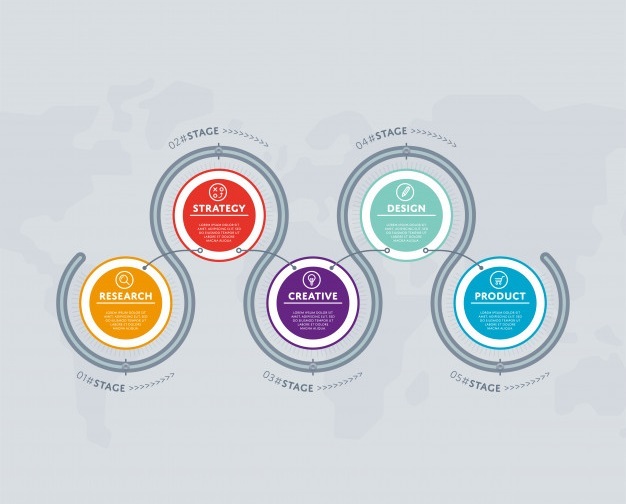
Well how often in everyday life do we come across the launch of a new product such as a software or a website or any product benefitting any cause? For the target audience it is just a product launch, but only the business owners know how many steps an ideal project undergoes to be launched and made available. The minor ones may vary company to company but the primary and most vital steps taken by the business owners are pretty much what makes the product good or bad. The primary thing to start with is the critical thinking and planning where all the aspects of the project are analyzed very carefully. In this blog, we will go through the main and the most vital step in the custom software development cycle. Main stages in Project Development Typically a project undergoes a series of trivial steps and these steps may vary a little with respect to the name but are usually the same. The main stages are as follows: Initiation:As the name shows, initiation refers to coming up with the idea of what you are going to design. It means getting a nod on the idea from everyone included in the project and the initialization of the project. Planning:The time window and the steps to make the project successful such as the resources to utilized, the people and their roles and deadlines for every role. You need to plan the whole thing to make sure that everything is well organized. Execution:The core role where the execution and the implementation of the project takes place. The main steps of development and testing after which the product development reaches the final steps closer to the launch. Monitoring:The step where you monitor the post execution phase of the project. The performance monitoring of the project where the project’s progress is figured out according to the launch and release. Project Close/Release:The final launch of your product when the product is presented to the end users and the customers. The customer decides whether the requirements are actually met or there is still room for improvement. Project Discovery Phase: What is it and why is it needed? This brings us to the main topic of discussion of our blog that is what is the discovery phase and why is it absolutely necessary for a project to undergo this phase. The Project Discovery Phase is the process of collecting and carefully analyzing the information about the project such as the main purpose, the objective and the problem statement and the solution. You need to define the scope of the project and the goal as well as the limitations. Most importantly, you need to decide your target audience and how your project will server their needs. The main heads such as the project manager, business analyst and the account managers are the leaders leading the discovery phase. Now let us answer the second question that is the purpose of why this phase is so important for the success of the project. This discovery stage keeps you aware of all the aspects of a project and most importantly gets you prepared for any uncalled circumstances your project can go through. It minimizes the chances of any uncertainty and risk causing factor deep rooted in your project. Pretty cool, right? Now let’s get slowly into the detail of the project discovery phase. Personnel’s Involved in the Discovery Phase A group of people are responsible for the implementation of the discovery phase. We will look one by one which role is important and why? Project Manager/Product Owner From the technical perspective the project owner is the person who decided the requirements of the project after either gathering requirements from the customer or by searching through the market to see what the requirements are according to the problem statement and the solution to be proposed. If using the scrum methodologies, the product owner creates a User Story that contains the business requirements and the steps to be taken. Another thing to be determined is the acceptance criteria of the project which decides when the project is accepted by the product owner as per the provided requirements. The timelines are also defined by the project owner where the defined time is the total time taken by all the persons involved in the development of the project. Interface Designer The designer which defines the user interface and the requirements that the interface needs to cater as per the requirements defined. The user interface needs to give accessibility to the main product keeping in mind the complexity levels as per the end user. The designers need to keep the estimated time in mind and create a prototype for the first experience and then keep modifying it till all the requirements are completely met. Software Developer Lead The key person involved who manages all the heavy development using a set of tools and a well-defined set of APIs as per the specifications of the project. The software usually goes through a process called SDLC (Software Development Life Cycle) where the necessary steps are proposed and the phases are decided through which the project undergo. It also includes the architectural and technical experts and their takes on the whole project. And finally after the project is developed, the testing phase starts which makes sure that all the requirements presented by the stakeholders are met and work perfectly fine. Stakeholder/Client The stakeholder or the client is the person that is presented with the final product. The stakeholder then decides if the project contains all the necessary requirements as per the business specifications or the project needs to undergo another phase of development to satisfy the required needs. This process is repeated to the extent when the client finally decides the launch to be finalized after being presented with the perfect product. Roles of the Project Discovery Phase This brings us to the main stages of the discovery phase i.e. the tasks and the responsibilities of the mentioned people
Begin with MVP Prior to Custom Software Development
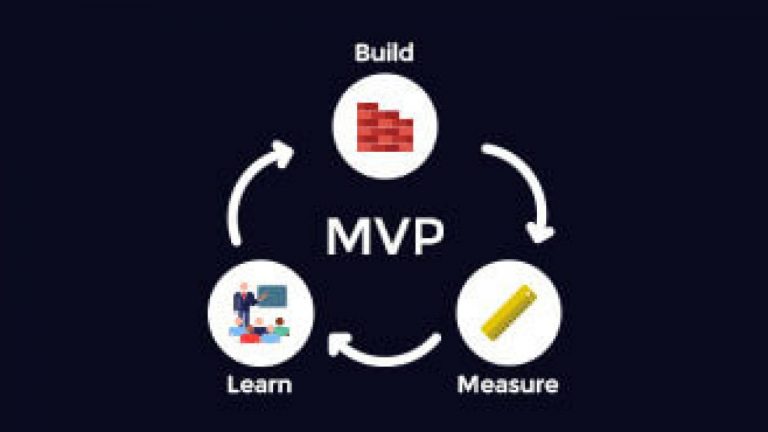
While starting up a new business, most entrepreneurs think that they are creating the next big thing. But little do they know their new startup can easily run out of business if they don’t plan out their business execution smartly. The risk factor is even higher in the Technological industry. In fact, according to Shikhar Ghosh, an Entrepreneurial professor at Harvard, almost 3 out of 4 startups fail every year. Bad ideas, incompetent team, poor marketing, lack of market interest, and poor management are few of the many reasons for these failures. But 74% of high-growth online startup flop because of premature or early scaling. Companies without testing their hypothesis roll out their final product into the market to gain instant popularity, resulting in extreme disaster. People often forget the success stories of today’s multi-billion dollar companies Uber, Airbnb, FourSquare, and Twitter. Only a few people remember what these applications look like in their initial stage. But the common thing among these companies is that they all built their brands through MVP. These brands launched their products with only a few basic features to see how the market will perceive it. Later all of them enhanced their apps according to the needs of their target audience. With that being said, in this article, we will discuss why it is better to always invest in MVP first before starting the custom software development and how MVP can benefit the companies in succeeding in this cut-throat industry. What is MVPMVP, the most successful methodology used by many entrepreneurs stands for Minimum Viable Product. As the term suggests, it a product with minimum features that is viable enough to fulfill the needs of early customers. The MVP shouldn’t be perfect, however, it must give the essence of the product or service you’re going to offer which, if not all, some of the early adopters resonate with, pay for, and give you valuable feedback. The concept of MVP is originally derived from the Lean Startup methodology, proposed by Eric Ries. According to this concept, MVP is all about working smartly, discovering more, and spending less. Eric Ries defines MVP as“the unfinished version of the product which allows the team to gather the maximum amount of customer insights with the least amount of resources.” The key premise of MVP is based on a simple pattern: build-measure-learn. With the help of an MVP, you can easily evaluate your vision without having to spend tons of money. Besides financial benefits, the results collected from MVP will highlight your audience’s expectations and will enable you to build the app that fits with their demand. However, it’s important to understand that MVP doesn’t mean a bad product, instead it’s a simplified version of a complex idea. The main point of building an MVP is to launch early but launch simple. Some early release of the feature will allow you to set foot into the market first. Once the idea is validated you can now invest in the upcoming releases and jump right into the Custom Software Development. Now, let’s explore all the key reasons for using the MVP approach first before starting the Custom Software Development to understand the feasibility of the application and how it can be beneficial for the new startup. Benefits of Starting the Business with MVP before moving to Custom Software Development Clear RoadMap Through an MVP a company can easily define its value proposition and examine the vision. Once you have a clear focus on what and why you want to offer this product/service your goals eventually become explicit. Every app offers plenty of features, but before moving to custom software development it is extremely crucial to prioritize the features you’re going to offer in the final version of the app. MVP allows you to decide which features are a must-have and valuable for the customers and which are only extra. In this way, you can set clear targets and develop a trial version with only core features to test the value proposition. By doing all this, you can smoothly address all the issues one by one and launch a fully-featured successful app in the future. Generate Funding from InvestorsMoney is the heart and soul of every business, hence you are lucky if you have saved up a couple of million and can spend it in any way you want. While others have to raise funds by attracting investors and showing them how valuable their product is, as the investors only look for the business which is promising enough for them. With that being said, the MVP approach is really helpful in this regard. Once you have launched an app with limited features and received some positive feedback from the early adopters now you can present your business idea to the investors with ease. It will prove the feasibility of the product and increase your chances of getting high funds. Rapid Launch A Minimum Viable Product doesn’t need to be perfect. It should only have a basic set of functions to satisfy the customer’s demands. Hence, creating such a version doesn’t take much time and effort. And as soon as you’re done, you can quickly launch it into the market and get valuable feedback instantly. Besides, through an MVP you can analyze the marketing strategies and sales channels thoroughly. Means the faster you launch, the better you can plan out your business and gain valuable experience. Cost-Efficient As compared to a full-fledged app, an MVP only consists of basic features. Hence developers don’t need much time developing it. Due to less time, you will need to pay less amount for the services as well. Also, the MVP reduces the custom software development cost in a way that developers don’t need to spend a hefty amount in one go. Rather, they invest the amount gradually in improving the existing product and extending the features one by one. Valuable Customer Insight Every business desires to make a strong bond with its customers as soon as