
Tired of Losing Mobile Users? PWAs Are the Future of Business Growth

Think about this: You spend months creating a website, but it loads slowly on mobile, leaving visitors frustrated. Or worse—they bounce before the page even opens. If this sounds like your current struggle, you’re not alone. The Problem: Mobile Users Have High ExpectationsMobile users expect instant results. If your site takes more than three seconds to load, nearly 50% of users will leave. And even if they stay, clunky navigation and limited offline access can drive them away. These issues are common with traditional websites but are solved with Progressive Web Apps (PWAs). What Makes PWAs So Powerful? Fast Loading Times: PWAs use advanced caching to load in seconds, even on poor networks. Offline Access: Whether your users are traveling or have no signal, PWAs keep them connected. App-Like Feel Without the Cost: PWAs look and behave like native apps but don’t require separate development for iOS and Android. Real-Life Success StoryTake the example of Starbucks, which developed a PWA for its ordering system. The result? Customers could place orders quickly even on low-speed networks, leading to higher engagement and sales. Your Turn to SucceedPWAs are the future, and we’re here to help you embrace them. Our team builds high-performing PWAs tailored to your business needs, ensuring you never lose a mobile customer again. Ready to transform your mobile experience? Let’s get started.
Struggling to Keep Customers Engaged? Why Your Business Needs a Mobile App
Imagine this: A customer visits your website, loves what you offer, and even makes a purchase. But after a few weeks, they forget about you. Emails go unopened, and social media posts get lost in the feed. Sound familiar? This is a common challenge businesses face in an overcrowded digital landscape. The Problem: Customer Retention is Harder Than EverIn today’s fast-paced world, customers are bombarded with options. If your business doesn’t stay top of mind, they’ll quickly turn to competitors. Traditional methods like email marketing or SMS campaigns aren’t enough to maintain consistent engagement. Here’s where a mobile app becomes your secret weapon. How Mobile Apps Solve the Problem Always Within Reach: A mobile app puts your business in your customer’s pocket—literally. Whether it’s a notification about a sale or a reminder of their abandoned cart, apps keep your brand visible. Personalized Experiences: Imagine sending a customer a birthday discount or recommending products based on their past purchases. Apps allow you to create tailored experiences that customers value. Increased Loyalty: Reward programs, gamification, and exclusive offers are easier to implement through apps, building a stronger emotional connection with your audience. Our ExpertiseAt Golpik, we don’t just build apps—we build solutions. Our team ensures your app is user-friendly, visually stunning, and optimized for engagement. We also handle the entire process, from idea to launch, so you can focus on your business. Don’t let your customers forget you. Let’s build a mobile app that keeps them coming back.
Spending Too Much on App Development? Cross-Platform is the Solution
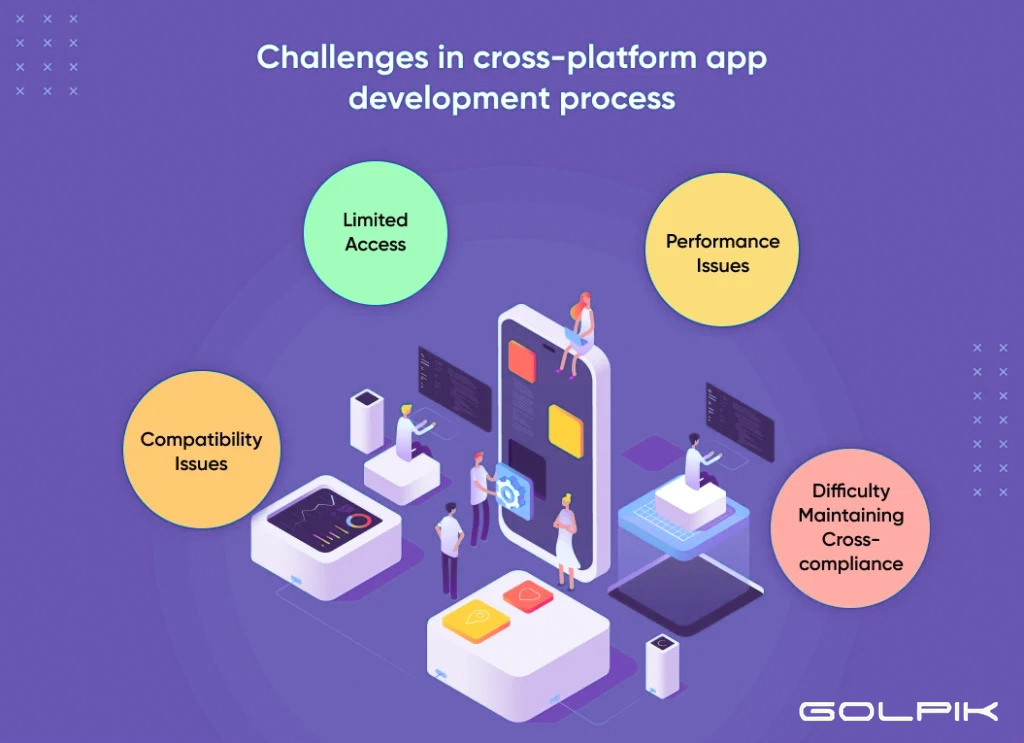
Every business owner wants an app, but not every budget can handle it. If you’ve been delaying your mobile app project because of the high costs, you’re not alone. Developing separate apps for iOS and Android can quickly eat into your resources. The Problem: Rising Costs and Fragmented DevelopmentTraditional development requires two separate teams: one for iOS and another for Android. This means double the cost, time, and effort. Additionally: Updates take longer. Features can feel inconsistent across platforms. Launching becomes a logistical nightmare. How Cross-Platform Development Saves the DayWith tools like Flutter and React Native, cross-platform development allows you to build one app that works on both iOS and Android. Here’s why that’s a game-changer: Cost-Effective: You only pay for one development cycle instead of two. Faster Launch: Simultaneous deployment shortens your time-to-market. Consistent Design: Users enjoy the same high-quality experience on any device. Why We’re the Right PartnerAt Golpik, we use the latest cross-platform technologies to deliver apps that are efficient, scalable, and cost-effective. We ensure your app meets all user expectations without compromising on quality. Stop overpaying for development. Let’s build a cross-platform app that gets your business results.
Reasons for a Website or App Redesign & How to Do It!

Your brand is visually represented in the design of your website and apps. The UI and UX of any service, item, or product you sell must be of the highest caliber. But let’s be honest: the design typically has room for improvement, and facilitating app redesign solutions requires a skilled hand. Did you know that 90% of website visitors leave because the site is poorly designed? It only has one meaning: if you are aware that design is your weakness, it is time to begin your redesign app journey. Therefore, if you want to keep your visual representation current, website and app redesign is a process you cannot avoid. You need to know all the relevant information for an apt redesign approach. What Signs Might Point to The Need for a Redesign? Why should a website or app be updated? Think of it as a hygienic routine, similar to getting your hair cut. Redesigning an app or website will improve user experience, increase customer loyalty, and boost conversion rates. The question “Why go for a website or app redesign” is not the only one you should be asking. How to redesign a website and the methodology involved in redesigning a website are other queries. The process of a website redesign is covered in this article. We will provide you with a step-by-step guide on an effective redesign that addresses all important website and app aspects, as well as the definition of redesign, when to start one, and why. Guide on Redesigning Your Website Whether it’s a corporate website or an app redesign for a financial institution, there are generally ten steps involved in redesigning a website or app. Each of them is listed below, along with a detailed explanation of why you must complete this step. This project plan template is a basic one for website redesigns. Carrying Out an Audit An audit involves researching and analyzing the current website, its performance, and user experience. This includes looking at user behavior, user feedback, website analytics, web or mobile app architecture, and competitor analysis. This helps to identify any potential problems or areas of improvement. An audit is the first step in a website or app redesign that aids in product and market understanding. Without this knowledge, we cannot proceed to understand the effects of our actions. Once the audit is complete, the team can begin creating a website or app redesign plan that considers the user’s needs and the business’s goals. This includes deciding on a design direction, creating a navigation structure, and making content and design decisions. After the plan is finalized, the website or app redesign implementation can begin. This includes coding, testing, and launching the new website. Once the new website is running, the team can review the results and look for ways to improve the user experience. Identifying Areas for Website Improvement It occasionally happens that issues with a website or app have nothing to do with the design. We must confirm that the website or app redesign is required and identify additional work areas. Defining The Redesign Strategy Before relaunching the website, we develop the redesigning strategy and lay out the range of the work that needs to be done. The strategy process should include the following steps: Project Administration The following should be the top priority in any plan for a website redesign: the changes must be made gradually to avoid affecting other communication channels and confusing users. The next steps should include the following: Creating The Client Profile Who is the ideal client for you? The customer profile is created at stage five to learn more about your clients’ ICPs, goals, and problems they hope to solve with your goods or services. UI/UX Identifying the most practical ways to improve user experience is crucial. You must do thorough research about your target audience and create a user experience that meets their needs. You should also ensure that you design your website with a focus on usability, accessibility, and responsiveness. Moreover, we would recommend you ensure that all elements of the website are visually appealing and easy to navigate. Conducting Tests Beta testing is essential to fully grasp how the introduced changes impact the product or service. Naturally, it delays the website or app redesign, but the result is worth the delays. Beta testing is testing a product or service before it is officially released. Generally, it involves the participation of a small group of people who are given access to the product or service in its current state and asked to provide feedback and suggestions. This feedback can be used to identify any areas of improvement or potential issues with the product or service. The testing process should be tailored to the requirements of the product or service being tested. For example, if the website or app redesign includes new features or a different user interface, these should be tested thoroughly to ensure they are functioning as expected. Testing should also focus on how the changes impact the user experience and how easy it is for the user to navigate the website. The feedback gathered from beta testing is invaluable for ensuring that the product or service is ready for launch. Beta testing can also provide valuable insights into how the product or service can be improved in the future. Gathering Feedback Always put your customers first and solicit their opinions. This knowledge will help you decide which changes to make first and how to manage a website redesign project. Gathering feedback is an essential part of any website redesign project. It helps understand the customer’s needs, preferences, and expectations. Use this information to make informed decisions about what features or updates to add or remove. There are several ways to gather feedback. Surveys and questionnaires are the most popular tools to collect customer opinions. They can be administered online or in person. Interviews are also a great way to get deeper insights into customer preferences. Focus groups are a useful tool
Healthcare Software Development Industry Guide for 2023
The healthcare software development industry is rapidly growing, and with the advent of new technologies, the industry is set to revolutionize the way healthcare is delivered. With custom software development and new mobile app architectures being worked upon in the healthcare software industry, there are various developments that one should be aware of that will shape the future. This guide will explore the latest trends and developments in the healthcare software development industry for 2023. Trends In Healthcare Software Development Let’s dive deeper into the various trends of healthcare software development. Telemedicine Telemedicine is one of the most significant trends in healthcare software development. With the COVID-19 pandemic, telemedicine has become even more important as it allows patients to receive medical care remotely. This technology will continue to grow in popularity as it offers convenience and accessibility to patients and healthcare providers alike. It also helps reduce costs, improve patient outcomes, and enhance communication between providers and patients. Telemedicine can include video conferencing, remote monitoring, electronic prescribing, remote diagnosis, and other services. It can be used for both primary and specialist care, as well as follow-up care. Telemedicine also helps improve access to custom healthcare solutions for those in rural areas who otherwise may not have access to medical care. Additionally, it can help reduce wait times for appointments, reduce time spent in waiting rooms, and offer patients more flexibility in scheduling appointments. With telemedicine, providers can offer better patient education and engagement, leading to improved health outcomes. Artificial Intelligence (AI) and Machine Learning (ML) AI and ML are being used to improve the accuracy and speed of diagnoses and predict patient outcomes. This technology is also being used to improve patient engagement through virtual assistants and chatbots. ML and AI allow medical professionals to quickly analyze large datasets to detect patterns and correlations that can inform better decision-making. AI and ML can be used to identify potential health risks, predict the need for interventions before they happen, and manage chronic diseases. AI and ML can also help to streamline administrative and clinical processes, such as streamlining the ordering process and improving the accuracy of medical records. In addition, AI and ML can provide personalized care recommendations, track patient outcomes, and provide virtual support to patients. Cloud Computing Cloud computing allows for storing and sharing large amounts of medical data, making it easily accessible to healthcare providers. This technology is also being used to improve healthcare systems’ scalability and security, allowing for greater custom medical solutions. It allows for the rapid deployment of new applications and services, eliminating the need for large upfront investments in hardware and software. It also enables healthcare providers to access data from anywhere, anytime, thus improving efficiency and patient care. Additionally, cloud computing can help reduce operational costs, eliminating the need for expensive hardware and software maintenance. Finally, cloud computing can help healthcare providers save time and resources by enabling them to collaborate and share data through secure and reliable networks. Interoperability Interoperability is the ability of different systems to communicate and share data. This technology is crucial in healthcare as it allows for the seamless sharing of patient information between different healthcare providers. This allows for better coordination of care and better overall patient outcomes. Interoperability also helps to reduce costs by eliminating the need for duplicate data entry, thus reducing administrative burden. Additionally, it can improve population health by providing real-time data to healthcare professionals, aiding in making more informed decisions. Blockchain Blockchain technology is being used to improve the security and privacy of patient data. It also allows for the creation of secure and decentralized healthcare systems. It can be used to securely store and share patient records, providing quicker access to medical history and reducing the possibility of data breaches. Additionally, blockchain technology can be used for medical research, to verify the authenticity of medical products, and to ensure secure payments in the healthcare sector. Additionally, blockchain technology can improve healthcare services’ efficiency, such as streamlining the process of medical billing and insurance claims. Internet of Things (IoT) IoT technology is used to improve patient monitoring and collect data for research purposes. It involves using connected devices (sensors, cameras, etc.) to collect data from various sources, including patient, environmental, and medical data. This data can then inform decisions about healthcare delivery and research. The IoT has the potential to revolutionize healthcare, providing real-time data and insights that can be used to improve patient care and outcomes. For example, it can detect changes in a patient’s condition, alert clinicians of any changes, and even allow for remote monitoring of a patient’s health status. It can also be used to collect data for research purposes, allowing for more efficient data collection and analysis. Additionally, it can detect and alert clinicians of potential problems, allowing for quick intervention. Conclusion In conclusion, the healthcare software development industry is set to experience significant growth in 2023. Telemedicine, AI and ML, cloud computing, interoperability, blockchain, and IoT are the key trends expected to shape healthcare’s future. As technology evolves, healthcare software development companies will play a vital role in improving patient outcomes and making healthcare more accessible to all. The role of software in health care is growing, and if you want to be a part of this journey without considerable hassle, then Golpik has got you covered! Drop us a message to learn more about our fitness app development services, medical software development, and long-term app maintenance solutions!
Importance of a Good Mobile App Architecture in 2023
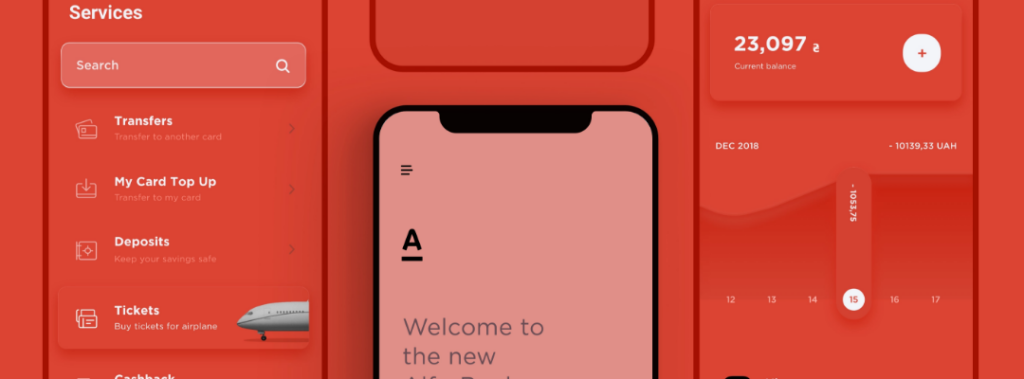
The global pandemic and changing expectations for how and when users interact with mobile devices have contributed to the continued growth in popularity of mobile application development services & mobile app architecture. Installation of apps increased by 31% year over year, and user engagement, as measured by sessions, increased by 4.5%, according to the Mobile App Trends 2023 report. The Google Play store has 3.48 million apps, while the Apple App Store has over 2.22 million. Sales of 5G devices are driving the demand for new apps, and post-pandemic device behavior, such as the desire for shopping convenience and delivery services as well as free time fillers, whether games or home fitness apps, is still present. While COVID impacted some of this behavior, most of these trends were already rising. Customers of all types of businesses, B2B and B2C, are demanding mobile-first interactions, which has prompted many organizations to think about custom mobile app development. The growth has increased the need for firms to think about application modernization strategies. The details of mobile app architecture will be covered in this guide, which can help direct the process of creating a mobile app for the market in 2023. What Constitutes a Quality Mobile App Architecture? Today, many apps are created without using any architecture or standards. An application that lacks architecture is: To speed up mobile application development, a good mobile app architecture will enforce good software development principles at the right stages of the process. It will also provide a clear path for the data flow that simplifies work and supports clarity regarding how to scale or expand the app in the future. An architecture for mobile apps that are clearly defined makes testing more productive, supports flexibility and Agile development methodologies, and makes future maintenance simpler and less bug-prone. In the short and long terms, a solid mobile app architecture will save time and money. Important Elements to Take into Account When Creating Mobile App Architecture Device Type When following a mobile app architecture, decide on the platform first (iOS, iPadOS, Android, Windows, Cross-platform), and then take into account the various smartphone models available today. These crucial facts can be used to choose the best development dimensions. When creating a mobile app, it’s crucial to keep the following things in mind: To ensure that every user, regardless of the device they choose, has the best experience possible, the goal at this stage is to deliver the most consistent experience across various platforms and device sizes (tablet vs. mobile, model varieties). Descriptive Frameworks Development frameworks are considered when establishing the tech stack and designing the mobile app architecture. For creating web apps, both for the front-end and the back-end, frameworks offer libraries, basic templates, and components. Bandwidth Situations The front-end frameworks Bootstrap, Foundation, React, Angular, Vue, and Backbone are used to create mobile apps. Developmental frameworks for the back-end (server-side), which include Ruby on Rails, Flask, Django, Laravel, Swift, Xamarin, React Native, and Flutter, among many others, are dependent on the target platforms and programming language of choice. UI/UX Design When it comes to mobile app architecture, UI/UX design is crucial for creating positive first impressions (a strong user interface) and retaining users (how it works – a strong UX). Online success depends on having a good user experience (UX) design. Still, mobile UX is challenging due to the shifting user expectations and best practices of each operating system (OS) and device type. The mobile app architecture must balance UI and UX in the design stage. To ensure the app is providing value, start by comprehending the fundamentals of mobile UX design and the latest trends for 2021. Navigation The user’s first point of contact with the design is navigation, affecting both the front and back end. A great mobile UX design makes it simple for users to navigate the page and discover new areas. Navigation requires familiarity, and a good way to make it easier is to weigh the various functionalities that API Integration brings. The following best practices for navigation make the mobile app simple to use and lessen friction for customers: Research and user feedback are the best ways to guarantee a positive user experience (UX) with navigation. Early testing of how the app looks and functions often include wireframes. Conclusion Any mobile app architecture and tech stack must be carefully taken into account for it to be successful. Planning which features to include in the app, how to include them, and how these features will be connected through layers can be facilitated by paying attention to your business requirements and user stories. There are many factors to consider, and the app may not live up to expectations if the wrong assumptions are made. Contact us if you want to shorten the time it takes to get your app to market, don’t have the internal staff to build it, or just want to leave it to the professionals with thousands of hours of experience building native, hybrid, and cross-platform mobile apps. If you’re thinking of getting your applications developed by the experts then get in touch with Golpik Inc. to get started!