
Tired of Losing Mobile Users? PWAs Are the Future of Business Growth
Think about this: You spend months creating a website, but it loads slowly on mobile, leaving visitors frustrated. Or worse—they bounce before the page even opens. If this sounds like your current struggle, you’re not alone. The Problem: Mobile Users Have High ExpectationsMobile users expect instant results. If your site takes more than three seconds to load, nearly 50% of users will leave. And even if they stay, clunky navigation and limited offline access can drive them away. These issues are common with traditional websites but are solved with Progressive Web Apps (PWAs). What Makes PWAs So Powerful? Fast Loading Times: PWAs use advanced caching to load in seconds, even on poor networks. Offline Access: Whether your users are traveling or have no signal, PWAs keep them connected. App-Like Feel Without the Cost: PWAs look and behave like native apps but don’t require separate development for iOS and Android. Real-Life Success StoryTake the example of Starbucks, which developed a PWA for its ordering system. The result? Customers could place orders quickly even on low-speed networks, leading to higher engagement and sales. Your Turn to SucceedPWAs are the future, and we’re here to help you embrace them. Our team builds high-performing PWAs tailored to your business needs, ensuring you never lose a mobile customer again. Ready to transform your mobile experience? Let’s get started.
Why Professional Social Media Setup is Crucial for Your Brand’s Success

Table of Contents: Your Digital First Impression: Why Presentation Matters Importance of Consistent Branding Updating Information and Quality Visuals Tips for Maintaining a Strong Digital Presence Building Credibility and Trust Through Professionalism How a Professional Setup Builds Credibility Leveraging Social Proof and Testimonials Key Tips for Engaging with Followers and Monitoring Feedback Maximizing Reach: The Impact of a Cohesive Strategy Cross-Platform Consistency for Branding and Messaging Aligning Content with Target Audience Needs Tips for Monitoring Performance Across Social Platforms Boosting Engagement: The Role of Visual and Interactive Content High-Quality Images, Videos, and Interactive Features Using Polls, Quizzes, and Live Sessions to Increase Engagement Key Tips for Monitoring and Improving Engagement Enhancing Brand Authority with Consistent Messaging The Importance of a Consistent Brand Voice Using Uniform Visuals and Calls-to-Action Across Platforms Tips for Conducting Content Audits and Staying On-Message The Power of Analytics: Fine-Tuning for Success Key Social Media Metrics to Track (Engagement, Follower Growth, Conversions) Leveraging Analytics for Data-Driven Strategy Adjustments Long-Term Trend Monitoring for Continued Improvement FAQs Why is a Professional Social Media Setup Necessary? How Does Consistent Branding Benefit My Business? What Type of Content Should I Post on Social Media? How Often Should I Update My Profiles? What Tools Can Help Me Track Performance? How Can I Boost Engagement on My Posts? Is your social media looking more like a ghost town than a bustling city? It’s time to give your online presence a serious makeover.Think about it: your social media profiles are like your digital storefronts. If they’re messy, outdated, or just plain meh, potential customers are gonna bounce faster than a bad meme. But don’t worry, we’ve got the secret sauce to turn your social media into a magnet for followers and sales.Let’s dive into why a professional social media setup is crucial for your brand’s success. Your Digital First Impression: Why Presentation Matters A professional social media setup is your first opportunity to make a lasting impression. Much like a physical storefront, people will judge your brand based on what they see. An unprofessional setup signals a lack of attention to detail, which can make potential customers question your credibility. Key Elements of a Professional Setup: Consistent branding: Ensure your profile picture, header images, and bio match your brand’s colors, tone, and voice. Up-to-date information: Make sure your contact info, business hours, and links are accurate and current. Quality visuals: Use high-quality images and videos that are clear, engaging, and reflective of your brand. Tips for a Strong Digital Presence: Monitor engagement: Track which posts get the most likes, shares, and comments. Adjust your strategy based on what resonates. Refresh regularly: Update your bio, images, and pinned posts at least quarterly to keep your profile looking fresh. Building Credibility and Trust Through Professionalism Your brand’s trustworthiness can be built—or destroyed—by your social media presence. A sloppy or inconsistent profile may send the wrong message to your audience. On the flip side, a professional setup can help establish you as an authority in your industry. How to Build Credibility: Complete profiles: Fill in all relevant sections, including contact info, bio, and website links. A half-filled profile looks incomplete and unprofessional. Consistent posting schedule: Post regularly and consistently, which shows that your brand is active and engaged with its audience. Social proof: Highlight testimonials, user-generated content, or features in reputable publications to build trust with new followers. Key Tips: Monitor feedback: Keep an eye on comments and messages, responding promptly to show your brand is attentive and responsive. Engage authentically: Don’t just post and ghost! Respond to comments, acknowledge followers, and participate in conversations. Maximizing Reach: The Impact of a Cohesive Strategy A professional setup ensures that your social media strategy is cohesive across all platforms, maximizing your reach. When your branding and messaging are consistent, it helps reinforce your brand identity and keeps your audience engaged no matter where they encounter you online. What to Focus On: Cross-platform consistency: Make sure your logo, tone, and message are consistent across all social media channels (Facebook, Instagram, LinkedIn, etc.). Target audience alignment: Ensure your content speaks directly to your target audience’s needs and desires. Key Tips: Track cross-channel performance: Use analytics tools like Hootsuite or Sprout Social to see which platforms drive the most engagement and adjust your strategy accordingly. Optimize for each platform: Tailor your content for the unique audiences and formats of each platform (e.g., short-form video for TikTok, professional insights for LinkedIn). Boosting Engagement: The Role of Visual and Interactive Content Engagement is a crucial metric of social media success, and professional setups make it easier to engage with your audience through visual and interactive content. People are more likely to engage with brands that look polished and provide value through their content. Content That Drives Engagement: High-quality images and videos: Invest in professional-grade content that reflects the quality of your brand. Interactive posts: Polls, quizzes, and Q&A sessions invite participation and keep your audience engaged. Live sessions: Hosting live streams allows for real-time interaction and strengthens your relationship with followers. Key Tips: Monitor post performance: Identify which types of content get the most engagement and create more of what works. Experiment with new formats: Try Reels, Stories, or TikTok videos to engage your audience in fun and interactive ways. Enhancing Brand Authority with Consistent Messaging Consistency in your brand’s messaging across all platforms is essential to building authority. When followers see the same tone, style, and values reflected in every piece of content, it reinforces your brand identity. What Consistent Messaging Looks Like: Brand voice: Whether your brand is playful, professional, or authoritative, maintain a consistent tone in every post. Uniform visuals: Use the same color schemes, filters, and font styles across your social media accounts. Unified calls-to-action (CTAs): Ensure all CTAs align with your brand’s goals and are clear and direct. Key Tips: Monitor messaging trends: Keep an eye on industry trends and adjust your messaging to stay relevant, but never stray too far from your brand’s core identity. Regular content
Why Investing in Professional Website Development Pays Off: Key Benefits for Your Business

Hey there! Let’s talk about something crucial for your business: your website. Think of it as your digital storefront, open around the clock. It’s where customers come to learn about you, explore your offerings, and decide whether they want to stick around. A professional website can significantly impact whether they stay or move on to a competitor. Here’s why investing in professional website development truly pays off. 1. First Impressions Matter You’ve heard the saying, “You never get a second chance to make a first impression.” This is especially true for websites. The moment someone lands on your site, they form an opinion about your business. A clean, professional website design makes you look credible and trustworthy, encouraging visitors to explore further. Conversely, a cluttered or outdated site can drive potential customers away, just like a disorganized store would. Why it Matters: – Builds immediate trust with visitors: Creating an engaging, easy-to-navigate site can make visitors feel more comfortable and positive about your brand. – Encourages them to engage with your content instead of bouncing off: More engagement means more chances to convert visitors into customers. Opportunity Cost: What happens if you ignore this? A cluttered or poor design can lead to high bounce rates and a loss of potential leads. Essentially, you risk losing business right at the doorstep. 2. Boost Your Credibility People often judge businesses by their websites. A professional, polished site signals that you’re serious about your business and the quality of your offerings. It makes your business appear more reliable and established. On the other hand, a poorly designed site can lead visitors to question your credibility and hesitate to engage with you. Why it Matters: – Instills confidence in your potential customers: A professional-looking website makes you look trustworthy, leading to higher engagement. – Differentiates you from competitors with less polished sites: A more polished website can be a significant competitive advantage. Opportunity Cost: Neglect this, and you risk losing credibility, which can be incredibly hard to rebuild. Customers may prefer competitors who give a better first impression. 3. Better User Experience (UX) A well-designed website ensures a smooth user experience. It’s about more than just aesthetics; it’s about functionality. A professional developer will create a site that’s easy to navigate, fast-loading, and intuitive. This means visitors can find what they’re looking for without frustration, making them more likely to take action, whether it’s making a purchase or filling out a contact form. Why it matters: – Enhances user satisfaction and keeps visitors engaged: Happy visitors are more likely to convert into customers. – Increases the likelihood of turning visitors into customers: A seamless experience can improve your conversion rates. Opportunity Cost: Poor user experience can lead to frustrated visitors who may never return, resulting in lost sales opportunities. 4. Improved SEO for More Traffic Want more people to find you online? A professional website is optimized for search engines. This includes using relevant keywords, ensuring mobile-friendliness, and optimizing load times. These factors help your site rank higher in search results, leading to increased visibility and more traffic. Why it matters: – Enhances your search engine ranking: Higher ranking means more visibility and more potential customers. – Attracts more potential customers to your site: Better SEO leads to higher organic traffic. Opportunity Cost: Without proper SEO, your site may languish in obscurity, making it difficult for potential customers to find you. This directly translates to lost opportunities and revenues. 5. Higher Conversions = More Sales A professional website isn’t just about looking good; it’s designed to drive action. This means clear calls-to-action (CTAs) like “Buy Now,” “Sign Up,” or “Contact Us.” A well-designed site guides visitors towards these actions seamlessly, boosting your conversion rates and ultimately increasing your sales and leads. Why it matters: – Drives visitors to take desired actions: Clear CTAs can lead directly to sales and conversions. – Directly impacts your revenue and growth: More conversions mean more revenue. Opportunity Cost: Without a professional design focused on conversions, you could be missing out on potential sales, directly affecting your bottom line. 6. Mobile-Friendly Design With more people browsing the web on their smartphones, a mobile-friendly website is essential. Professional developers ensure your site looks and functions well across all devices—desktops, tablets, and smartphones. If your site isn’t mobile-responsive, you’re likely missing out on a significant portion of potential customers. Why it matters: – Reaches a broader audience who browse on mobile devices: Mobile users are a significant portion of web traffic. – Improves your search engine rankings and user experience: Google ranks mobile-friendly sites higher. Opportunity Cost: Ignoring mobile-friendliness can alienate a large segment of users, potentially losing traffic and sales. 7. Better Security = Peace of Mind Website security is a major concern in the digital age. Professional developers implement robust security measures, including SSL certificates and secure payment systems, to protect your site from hackers and data breaches. This not only keeps your business safe but also builds trust with your visitors. Why it matters: – Safeguards your business and customer data: Better security means fewer risks. – Enhances customer trust and reduces the risk of cyber threats: Secure websites build trust with customers. Opportunity Cost: Neglecting security can lead to data breaches, loss of customer trust, potential legal issues, and substantial financial losses. 8. Fast Loading Times Keep Visitors Happy No one likes waiting for a slow website to load—it’s like waiting in a long checkout line. Studies show that if your site takes longer than a few seconds to load, visitors are likely to leave. Professional developers optimize your site for speed, ensuring quick load times that keep visitors engaged and reduce bounce rates. Why it matters: – Retains visitors who might otherwise leave due to slow speeds: Fast loading times improve user retention. – Improves your search engine ranking and user experience: Google favors fast-loading sites in search rankings. Opportunity Cost: Slow loading times can increase bounce rates, directly affecting your site’s overall performance and
The Power of Professional Copywriting: Why Your Website Needs Expert Content

Imagine this: You’ve poured your heart and soul into building your website, but visitors are still clicking away faster than you can say “bounce rate.” Frustrating, right? In a digital landscape where attention spans are shorter than a goldfish’s, merely having a website isn’t enough. What you need is the secret weapon that can turn your online presence from “meh” to “wow!” Enter professional copywriting—the magic ingredient that can elevate your site from ordinary to extraordinary. If you’re a business owner or marketer eager to stand out in a sea of competitors, understanding the power of expert content is not just important; it’s essential! Buckle up as we uncover how professional copywriting can be the game changer you’ve been searching for. Trust us; you won’t want to miss this! First Impressions Count—Big Time! You know that saying, “You never get a second chance to make a first impression”? Well, it’s especially true online. When someone lands on your website, they form an opinion about your brand in mere seconds. If your content is cluttered with typos or fails to grab attention, you risk losing their trust faster than you can say “bounce rate.” That’s where expert copywriters come in. They craft engaging, polished content that welcomes visitors with open arms, projecting reliability and professionalism right from the get-go. Crafting Compelling Headlines One of the most crucial elements of any website content is the headline. It’s the first thing visitors see and sets the tone for the entire page. Professional copywriters are masters at crafting headlines that are attention-grabbing, informative, and persuasive. They understand the art of using power words, emotional triggers, and curiosity gaps to compel readers to keep scrolling. A well-written headline can make all the difference between a visitor bouncing off your site or diving deeper into your content. Telling Your Brand Story Your website is more than just a collection of pages—it’s a platform to share your brand’s unique story. Professional copywriters know how to weave your brand’s history, values, and personality into your content in a way that resonates with your target audience. By telling your story in a compelling and authentic way, you can build an emotional connection with visitors and establish your brand as a trustworthy and relatable presence in your industry. Clarity Over Cleverness Sure, clever wordplay can be fun, but let’s be real—clarity should always take the spotlight. The goal is for visitors to grasp your message without breaking a sweat. Professional copywriters excel at distilling your brand’s vision and offerings into clear, compelling content that resonates with your audience. This clarity not only enhances user experience but also keeps visitors on your site longer, encouraging them to explore and ultimately convert. Simplifying Complex Concepts Many businesses, especially in technical or niche industries, offer products or services that can be complex or difficult to understand. Professional copywriters have the skills to break down these complex concepts into easy-to-digest language that your audience can understand. By simplifying technical jargon and using relatable examples, they can help visitors quickly grasp the value of what you offer and how it can benefit them. Crafting Persuasive Calls-to-Action One of the most important aspects of any website content is the call-to-action (CTA). CTAs are the buttons or links that encourage visitors to take a specific action, such as making a purchase, signing up for a newsletter, or requesting a consultation. Professional copywriters know how to craft CTAs that are compelling, clear, and action-oriented. They use persuasive language, create a sense of urgency, and make it easy for visitors to take the next step in their customer journey. SEO Without the Jargon Ah, SEO—the buzzword that often feels like a puzzle wrapped in an enigma. But here’s the scoop: effective SEO isn’t about cramming keywords into every nook and cranny; it’s about weaving relevant keywords into high-quality content that flows naturally. Professional copywriters are pros at striking this balance, ensuring that your website doesn’t just attract traffic but draws in the right kind of traffic. This dual focus boosts both visibility and user engagement—talk about a win-win! Optimizing for Search Engines While professional copywriters prioritize creating engaging, human-readable content, they also understand the importance of optimizing for search engines. They know how to conduct thorough keyword research, identify the most relevant and high-performing keywords for your business, and incorporate them seamlessly into your content. This helps your website rank higher in search engine results pages (SERPs), making it more visible to potential customers who are actively searching for your products or services. Creating Shareable Content In addition to optimizing for search engines, professional copywriters also create content that is highly shareable on social media platforms. They understand the types of content that tend to perform well on different social networks and craft posts that are engaging, informative, and visually appealing. By creating shareable content, you can expand your reach and attract new visitors to your website. Voice and Tone: Your Brand’s Personality Think of your website’s voice and tone as its personality traits—they shape how visitors perceive your brand. Whether you want to come across as friendly, authoritative, quirky, or sophisticated, professional copywriters know how to capture and consistently convey your unique voice. This consistency fosters an emotional connection with your audience, making them feel understood and valued. Establishing Brand Consistency Consistency is key when it comes to your brand’s voice and tone. Professional copywriters ensure that every piece of content on your website, from the homepage to the blog posts, maintains a consistent style and tone. This consistency helps to reinforce your brand identity and makes it easier for visitors to recognize and remember your brand. By establishing a strong, consistent brand voice, you can build trust and loyalty with your audience. Adapting to Different Platforms While maintaining a consistent brand voice is important, professional copywriters also understand the need to adapt that voice to different platforms and channels. For example, the tone you use on your website may need to be slightly different than the tone you use on
The Benefits of Expert On-Page SEO: Why You Need a Professional for Better Search Rankings
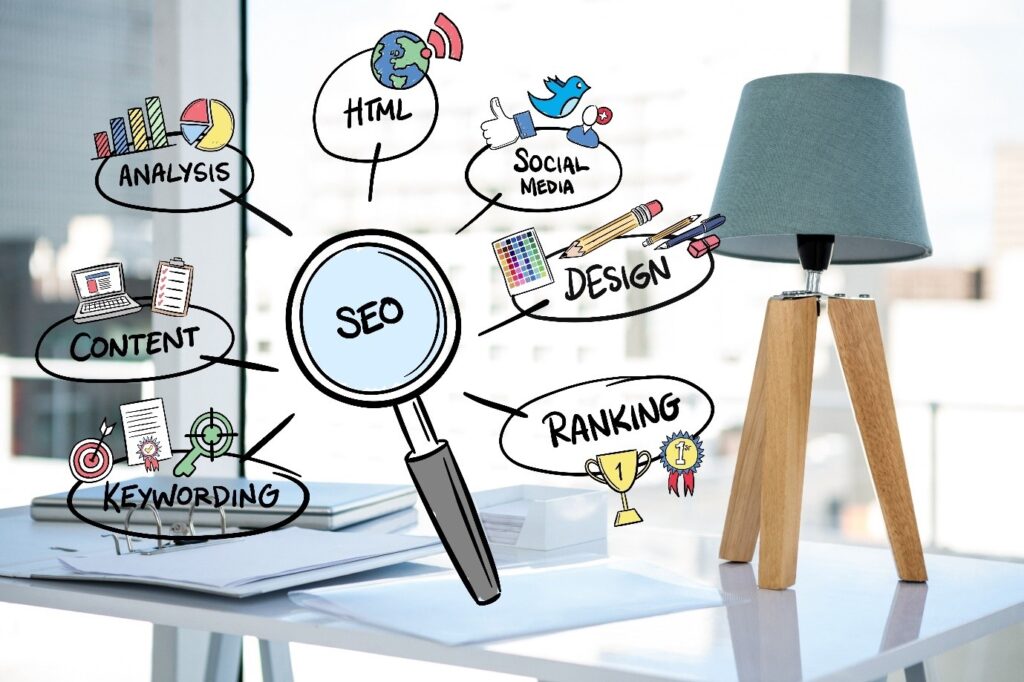
Table of Contents/Outline: How Professional Local SEO Can Elevate Your Business in Local Searches Is your business struggling to stand out in your local market? Are your competitors showing up at the top of local searches while your brand lags behind? It’s time to step up your Local SEO game! Imagine this: potential customers are searching for businesses just like yours in your area, but if your online presence isn’t optimized for local searches, you’re missing out on valuable leads. Let’s dive into how professional local SEO can elevate your business and help you dominate local search results. 1. What is Local SEO and Why Does It Matter? Local SEO (Search Engine Optimization) refers to the process of optimizing your online presence to attract more business from relevant local searches. These searches happen on Google and other search engines and are critical for businesses that want to target customers in a specific geographic area. A professional Local SEO strategy helps your business appear when customers are searching for products or services near them. Local SEO can help boost your visibility by getting you to the top of search engine results pages (SERPs), in map packs, and local directories. Why Local SEO Matters: Key Elements of Local SEO: 2. The Power of Google Business Profile Optimization Your Google Business Profile (GBP) is one of the most powerful tools for local SEO. A well-optimized GBP can help your business appear in local searches, Google Maps results, and even voice search results. This tool showcases essential information about your business, like your location, hours, phone number, and reviews. Key Tips for Optimizing GBP: Monitor and Update Regularly: 3. Local Keywords: Targeting Your Audience Where It Matters Most Just like regular SEO, local SEO relies on keywords to determine what your business is about. The key difference is that local SEO keywords are focused on your geographic area. Professional local SEO experts use keyword research tools to identify the best local keywords that drive relevant traffic to your business. What to Focus On: Key Tips: 4. NAP Consistency: The Secret to Local SEO Success One of the cornerstones of local SEO is NAP (Name, Address, and Phone Number) consistency. This refers to ensuring that your business information is identical across all online listings. Inconsistencies in your NAP details can confuse search engines and hurt your local search rankings. How to Maintain NAP Consistency: Key Tips: 5. Leveraging Local Directories for Greater Visibility In addition to Google Business Profile, there are numerous local business directories where your company should be listed. These directories help your business gain visibility and build authority. Listings on sites like Yelp, Bing Places, and Yellow Pages can improve your search rankings and make it easier for customers to find you. What to Include in Your Directory Listings: Key Tips: 6. Online Reviews: Boosting Your Reputation and Local Rankings Online reviews play a crucial role in both attracting new customers and improving your local SEO rankings. Positive reviews not only build trust but also help your business stand out in local searches. Search engines use reviews as a ranking factor, so the more (and better) reviews you have, the more likely your business will rank higher in local search results. How to Generate Positive Reviews: Key Tips: 7. Mobile Optimization: Reaching Customers on the Go A significant portion of local searches happens on mobile devices, which means mobile optimization is a must. A professional local SEO strategy ensures that your website is fully optimized for mobile, making it easy for users to navigate and find information quickly. Mobile Optimization Checklist: Key Tips: 8. Localized Content: Connecting with Your Community Creating localized content can help establish your business as a local leader. Whether through blog posts, videos, or social media updates, providing content that speaks directly to your local audience can increase engagement and improve your local SEO rankings. Content Ideas: Key Tips: 9. Backlinks from Local Sources: Boosting Authority Backlinks are a critical component of SEO, and obtaining local backlinks can significantly improve your local search rankings. These links signal to search engines that your business is trustworthy and relevant to the local area. How to Build Local Backlinks: Key Tips: 10. FAQs: 1. Why is local SEO important for my business?Local SEO helps you reach nearby customers actively searching for your products or services, increasing your visibility and driving more foot traffic or local leads. 2. How can I optimize my Google Business Profile?Optimize your profile by keeping NAP details accurate, posting high-quality images, responding to reviews, and regularly updating your services and hours. 3. What’s the role of local keywords in Local SEO?Local keywords ensure that your business is found by searchers in your area, helping you rank higher in local searches. 4. How often should I update my local business listings?Update your listings whenever there are changes in your business information, such as a new address or phone number, and audit your listings at least once a quarter. 5. What tools can help with local SEO?Use tools like Moz Local, Google My Business, and SEMrush to manage citations, track keyword performance, and monitor your local SEO progress. 6. How can I encourage customers to leave reviews?Offer excellent service, ask customers directly for reviews, and provide easy-to-follow instructions for leaving feedback on platforms like Google or Yelp. By investing in professional local SEO, you can ensure your business stands out in local search results, reaching customers where it matters most. So, is your business ready to take over the local search market? Let professional local SEO services from Golpik elevate your online presence and bring your local audience right to your doorstep!
Business Challenges and Their Solutions for 2021-2022

Summary Businesses have been affected one way or another by the Covid’19. This blog highlights key business challenges and their solutions to prepare businesses for what they will most likely have to face in 2021-2022. COVID-19 has pushed companies all around the world over the technology tipping point, brought new business challenges, and has transformed business forever. Our way of life was slowly and gradually getting back to normal, but with the new coronavirus variant, Omicron, we might have to face a blow to optimistic hopes of the world economy entering 2022 on a firmer footing. However, with carefully devised strategies and well-advanced preparation, the toughest challenge can be turned in your favor. Here is our list of upcoming business challenges we think you should definitely know about. Keeping up With Industry Trends Fast learning and the subsequent adaption to the new business context have become extremely important now more than ever before. It is time to reconsider business strategies and reimagine business models based on post-pandemic industry trends. These are questions that should be answered before you start working on the business strategies. What does your industry landscape look like? To what degree did the expectations of your customers change? Is your operating model still the right one to serve rising customer needs? Coping With Market Competition All businesses are constantly thinking of how to deliver quality products and provide the best customer service to retain existing customers and achieve user base growth. You should keep a keen eye on the new services, marketing strategies, and client reviews of your competitors and industry leaders. Legacy System Modernization You cannot use systems that were created a decade ago as they were created with outdated tech stacks and can’t be supported or maintained with up-to-date tools. Also, hiring developers that work with obsolete tools doesn’t seem like a promising idea in terms of today’s IT market and it is time-consuming. As it says in the title, this blog has solutions for these business challenges, here is an easy solution for this one. We, at Golpik, deliver ROI-driven legacy modernization service to revamp the outdated system for improved performance, outstanding scalability, improved security, easier maintainability, and superior user experience. If you are skeptical and don’t know how it works or whether you need it or not, you can always contact us for a free consultation. Accelerating Digital Adoption Consumers have shifted dramatically toward digital channels, and businesses have responded in turn. One of the major reasons for industries and companies going through digital transformation is the clients’ outreach. Mobile apps, web apps, and websites have become high-value distribution channels for companies around the world. Therefore, having a strong digital presence is crucial for you to compete in the post-pandemic market. One of the biggest challenges is to identify how to provide value for your customers over the internet. Here are some solutions you should look into to overcome this challenge: Create a strong online/digital presence for your brand Make sure your apps and websites are updated and user friendly Adjust your marketing campaigns Create an effective software solution that meets your customers’ needs Automating Business Processes Automating the business processes accelerates employees’ workflow and allows more time for higher priority tasks. Streamlining routine operations eliminates possible mistakes caused by the human factor. You can create a comprehensive feature list after analyzing the routine processes in your company, and pass it to a software development company. Later on, engineers create your software from scratch for creating custom business automation systems tailored to your business requirements. Cybersecurity There has been a massive increase in the severity and volume of cyberattacks in the last few years, especially since the pandemic started. The major reasons for this increase are the global embrace of remote work arrangements and rapid migration to the cloud. You need to understand where the threats are coming from, and where your business is vulnerable. One of the common ways hackers will use employees to access sensitive data in your business model is through Phishing Scams. You can provide training to your employees as they can present a keyhole in your security profile. You must ensure that you can guarantee your employees will be able to identify issues with security before they become a massive hassle for you. Uncertainty Uncertainty has become one of the greatest business challenges as the coronavirus crisis continues to deepen. Many business owners are feeling helpless and frustrated due to unprecedented rules and restrictions. The best approach to dealing with uncertainty is to focus on the factors you can control, adopt a can-do mindset and start following agile practices. You need to think and act quicker. Adopting agile practices will streamline complex development and operational processes, and facilitate the trial-and-error approach required to quickly evolve and grow a capability or a solution. Bottom-Line In order to keep the economy up and running while all consumers are locked in their homes, companies have no other choice but to adapt to this new reality. Business owners should start assessing a new landscape, look hard at their organization, and determine what actions need to be taken. Regardless of your business size or type, you should have a digital presence. A website, app, and social media profiles will help customers learn about your offerings, and engage with your brand. With the continuously increasing security concerns and hacking scams, it is hard finding a reliable company to provide all-crafted services for your diversified software development needs. This is where we can help you, contact us for a free consultation to discuss all your concerns and how we can add value to your company. You have to decide, will you take control to tackle these business challenges or will you brace for the next major impact?
Agile at Golpik: How We Deliver Great Web Products
Agile methodology at Golpik is a famous and most recently applied tactic in website and software development. There is a spectrum of advantages when comparing it to the traditionally introduced development processes. The agile approach works best for every web product, making it a key benefit for all customers’ types. Why Agile? The most significantly accepted and life-evolving change of Agile methodology is to adjust the basic parameters of project-based development. It brings a perfect achievement for every project’s success, making it demanding for all firms’ types. With every need of business and product flexibility, Agile projects become successfully implemented in both the custom and traditional methodologies. It mostly happens when the product moves quickly in responding to every change that is conducted according to the business environment. The right way to understand Agility is to review the preceding times of Agile projects. For example, every project was delivered with complete documentation, remarks, and requirements. It used to consume months in getting negotiation with the product’s agility. There were also difficult processes for allowing implementation and software development in the business concept. The factor of the end product is of great importance nowadays. The finally developed stage of the product necessitates both customers and developers to ensure a better strategy throughout the product recycle. If the project fails to achieve its actual goal, then it causes the wastage of labor resources, money, and time. In few stages, the businesses realize that a strategic change is inevitably possible to reach the final limit. There arises a time of becoming adaptive and responsible to business and product agility. It finally enables in gaining a new way of developing software while working with some other strategic measures. Similar to Golpik, now businesses are enjoying great flexibility in processes and product development. It leads to more enhanced software development and much-increased agility. Golpik has been successfully implementing an Agile strategy in different project-based outcomes. It is a new learning concept for many businesses, driving them to adapt to the most suitable methodology in the long-run period. Both the stakeholders and team enjoy extended transparency through the Agile approach. It strategically keeps updated with the changing demands of the market while remaining Agile and flexible in due course. Key Advantages of Agile Methodology for Businesses: Businesses now strongly care about their product development methodology. They establish a strong team to become more Agile in reality. Different companies now apply agility in their business, product, and service. These firms include Microsoft, Barclays, Spotify, and many other world-renowned giants that apply Agile in their business process. According to Microsoft’s Principal Group Program Manager, Aaron Bjork, businesses now require much increment in their product and service to ensure delivery of fast customer service. It also includes working with customers’ feedback to assure better product development and improved service orientation. Now, let’s review the advantages of getting Agile for a business’s product. Cost-efficiency: Every firm becoming Agile getting the capability of evaluating their costs for different executed components. The business lean concept also determines that becoming Agile eliminates the wastage of many things while adapting to step-by-step processes. This strategy helps in estimating the significance of the next feature, leading to benefit every stakeholder of the business. It subsequently reduces expenses and improves the functional capability of the business. Time-efficiency: Time-efficiency refers to setting a priority of determining all team members in a specific project. It helps in avoiding irrelevance, wastage, and duplication of service or efforts. Its outcome is the accomplishment of a highly developed website or product on time. Customer-focused Product: It is a wise strategy to remained updated with the team of developers that are readily assigned to some projects. It enables in getting what was needed and how reliably it has been achieved for the customers and related markets. At Golpik, the project needs and discussions are continuously helping to get an enhanced way of developing products, services, and newly introduced features. Transparency: Every change becomes visible when coordination is intact at every stage. Every single enhancement and feature is streamlined, leaving no chance for over-costs or late timeframe. It helps in delivering an end-result while getting transparency in the overall product development. Space for Experiments: Becoming Agile refers to becoming more flexible with every change that is needed in the organization. It allows for more implementation of new development. Developers become capable of working through newly introduced features and functionality. The QA team also becomes effective in testing the business environment, eliminating almost every limitation that might be hindering business processes. Several benefits are achieved afterward, clarifying that the Agile approach is much beneficial for all projects type. It finally increases the value of the business and subsequently accelerates the workflow of businesses. Agile Concepts Executed in Golpik’s Work-based Principle: Individuals and Their Interaction on Tools and Processes: Golpik believes that every customer should be facilitated with the right software development and service orientation. Therefore, the firm develops great amazing tools, products, and services. The team at Golpik collaborates in delivering maximum positive results for customers. Collaboration enables Golpik to deliver the three most demanding processes. These are responsibility, effective teamwork, and clear communication. Every team member has a right to initiate some risks while innovating great ideas for the business. They also have a right to put forth their viewpoints that could help gain an enhanced project development. The perfect work atmosphere is the basic mission of Golpik, leading every team member to ensure a relaxed and supportive feeling and participation. It directs the Golpik team to express more end-results and to remain talented at their assigned tasks. This way of collaboration at Golpik drives its people to build more product development processes. These may include becoming the best-expert for the markets and delivering more production processes that are demanding in the markets. Working Software on Comprehensive Documentation: Every project involves the creation of specific documentation while working for numerous months. The people at Golpik initiates business projects seriously and utilize every
5 Signs That Show Software Development Company Is Focused On Quality

Summary Selecting a software development company with the assurance of guaranteed quality products is a tedious process. At this time, one question always arises in mind: What are the signs to know that a software development company is focused on quality? How do I get quality software development in time? This blog is a humble effort to describe indications about whether a software development company is focused on quality or not. As one simply cannot insist and negotiate on quality. However, we first need to know what software quality metrics they should measure against. First you should know, What Are the Metrics for Measuring Software Quality The metrics for measuring software quality are numerous but can be cut down into the following four essential categories: o Code quality o Reliability o Usability o Security 1-Code Quality A quality software code with minimal bugs differentiates between a good development company and an average one. We use the term “minimal” because it is close to impossible to prevent bugs during development, as some bugs are inevitable and what matters is how we fix or control them. The developers measure their code quality as they develop since it means that they can identify and fix any problems during the build. This prevents the software to experience any loopholes in the future and ensures a quality implementation. The code quality is measured against the coding standards, code reviews, code analyzers, and refactor legacy code. 2-Reliability Software reliability is an important attribute that contributes to the quality of the software. This ensures its ability to provide a failure-free operational software. Reliability metrics measure whether it will provide essential services at the right time. Reliability can be checked by using Mean Time Between Failure (MTBF) and Mean Time To Repair (MTTR). 3-Usability Usability metrics by the name itself indicates whether the program is user friendly or not. Each software is used by the end-user so it is important to measure that the end-user is happy or not by using this software which is also considered as customer reviews for constant improvements. 4-Security Security metrics measure how secure the software is? In the realm of cyber threats affecting businesses everyday, security is the most essential part of every software. Security assures that there are no unauthorized changes, no fear of cyber attacks when the software product is used by the end-user. Below 5 Signs will tell you, the Software Development Company is focused on Quality Quality work provides great value to the final product. Ever been frustrated with technology in your life before? It may be the result of a lack of quality. Quality assurance is a crucial part of every software development process. In its essence, maintaining quality in software development helps companies to create products and services that meet the expectations and requirements of customers. This drastically improves the loyalty and trust of consumers. By following the standards and procedures defined by quality standards, teams can prevent product loopholes before they emerge and become a major issue. 1-Planning the Quality of End Product One of the most important factors that determine whether a software development company is delivering a quality product is when it sets the benchmark for the quality of the end product. The quality of a product is a result of extensive planning and research. Clients often pick the software that aligns with their specific business requirements, therefore, it is necessary to be compliant with the specific requirements of the client. 2-Continuous Monitoring of Software Development The software development process ensures the quality of the product but it’s crucial to constantly monitor this development process to maintain reliability and meet the expectations of the client. You can accurately track the entire software development process including feature analysis, architecture, and design, preparation, coding, reviewing delivery, and support. Monitoring also ensures the smooth running of software, without any complications. 3-Keeping Customer Service a Top Priority Among the signs of the best software development company is if they prioritize customer satisfaction. A company that invests its time in entertaining the great concerns of the customer and aligns its requirements with the service, transcends excellent customer service. It shows the desire to create something valuable and trustworthy, which does not only retain the customer but also provides them a quality experience. 4-Higher Expertise and Investments in their Capacity Each product requires a specific skill set from their developers thereby before hiring a software development company, you need to make sure that how good are the developers in your chosen company? A good software development company invests in a robust recruitment process. They would hire only the top talents and expertise that will dedicate their time in returning the best possible product. An added benefit would be if the team is well-versed with the direction of the project and mindful of what more they can contribute. 5-Software Security In today’s business processes, a simple error can end up resulting in millions of dollars of losses. If a company has a lack of security, it will lose customer trust in their products. When major companies are prone to be hacked, it becomes arguably much easier to hack those that do not have access to adequate resources to back their security measures. This is why software security is important to rest assured that your software development is in good hands. Designers, developers, and analysts would carefully conduct risk analysis for each stage of the software development life cycle and update the software from time to time to protect the software from any new type of malicious attack while ensuring the quality.
Differences between eCommerce v/s eBusiness And its Advantages
Online shopping has gained fame in these last few years. Now, if you want to buy something, you do not need to walk to the store. With just a Smartphone and internet connection, you can buy anything you want, from any place in this world. This can be achieved thanks to two popular networks which are known as E-Commerce and E-Business. Most people think those two terms have a similar meaning. Both of them aren’t similar but closely related to each other. Wondering what makes differences between eCommerce and eBusiness? Although, they might seem interchangeable linguistically technically– They are different. Let’s say; you want to buy a Hardiman Kitchen Cart but don’t want to visit a shop nearby. What is the best possible alternative for you? Pretty simple, you’ll pick your Smartphone and book your order from a credible supplier. And, this will take your few minutes and after a few days; you’ll have a Hardiman Kitchen Cart at your doorstep. What do you think; could this be possible without eCommerce and eBusiness? No!! But, There are some misunderstandings when it comes to the use of eCommerce and eBusiness? That’s why; I’m going to discuss the differences between eCommerce and eBusiness in detail here in this blog. Let’s start!!! What is eCommerce? eCommerce or ‘Electronic Commerce’ is a process of selling and buying through the use of the Internet. In contrast to a physical store, in eCommerce, there is no need for buyers and sellers to be present at the same point to meet each other because the whole process is done online. The following are the types of eCommerce around the globe: 1-Business-to-Consumer (B2C) Business-to-Consumer or B2C is the type of eCommerce in which electronic relationship is built between the seller of any product and the final customers. It is the most common kind of eCommerce. Since it is easy to find experts now for eCommerce development; this kind of eCommerce business has become vastly dynamic and more in demand. Therefore, everybody has the freedom to build a store and start boosting eCommerce sales. That’s why; you all find all sizes of web stores selling products from books, electronic goods to clothes and digital products such as music, movies, etc. Realistically, B2C is revolutionary for eCommerce as it has simplified online shopping greatly as compared to traditional shopping because it is not heavy for customers’ pockets (If the shipping cost is excluded). 2-Consumer to Consumer (C2C) All electronic transactions of products or services between one customer to another customer fall into Consumer-to-Consumer (C2C). This type of eCommerce business can be carried out with the help of a third-party. eBay is a good example here that is used as a marketplace for online auctions. 3-Consumer to Business (C2B) In Consumer-to-Business, consumers build a product or create a service that is used by a company to facilitate its end-users for achieving business goals. Upwork is a good example here because it runs on this business model in which expert freelancers offer their expertise for companies to solve their most complex issues. 4-Business to Administration (B2A) (B2A) or Business-to-Administration covers a transaction that is carried out between business and government online. It covers a variety of services e.g. employments, legal documentation, and social security, etc. 5-Consumer to Administration (C2A) All kinds of transactions that happen between the consumer and the government i.e. taxes fall in the category of Consumer to Administration (C2A). Related Read: How to Create an eCommerce Website with WordPress in Just 5 Minutes? What is eBusiness? eBusiness (Electronic Business) refers to the use of the internet, intranet, and website to conduct business. Seemingly, eBusiness and eCommerce are similar to each other but eBusiness is more than just an act of buying, selling services and products across the Internet. eBusiness comprises various kinds of business processes i.e. electronic order processing, Supply-Chain management, CRM, etc. So, it shows that eCommerce is just a subset of eBusiness.Following are the two types of eBusiness: 1- Brick and Click This term is for those companies that run their business in both ways: Online and Offline. A business which has a website to offer online services but also runs physical store to sell products and services is the example of a brick and click. Following companies fall into brick and click of Brick and Click eBusiness:a- Compaqb- Merrill Lynchc- Barnes & noble 2- Pure play This refers to a company that focuses on a particular product or service instead of dealing with many kinds of products. Examples:a- General Electric (GE)b- Microsoftc- Adobe The Advantages of E-Commerce & E-Business for an EntrepreneureCommerce and eBusiness have changed the paradigms of online shopping. As customers, you might have tasted some of the advantages of eCommerce or eBusiness, but did you ever think what benefits can you get as a business owner from eCommerce and eBusiness? Not yet, below I’m going to share few advantages of eCommerce and eBusiness which will certainly excite you: Flexible Business Hours:Internet is a thing which never sleeps (Unless there is a technical malfunctioning), So as an entrepreneur, you’ll experience accumulation on money when you’re at sleep with eCommerce and/or eBusiness. Minimum Money and Time Spent on your BusinessWith a physical store, there come lots of complications and you will have to pay different kinds of costs i.e. electricity, telephone bills, rents, etc. On the other hand, eCommerce and eBusiness will make your life hassle-free. Think for a second, is it easy to send promotional emails online or getting 1000 brochures printed? It’s easy – emails will rock your business. So, an online business saves costs and helps you define your true potential through the use of the Internet. No Geo-RestrictionThe Internet is everywhere. You can advertise yourself; make clients not only statewide but also worldwide. Plus, it will save hours of operations for you. Track your Business GrowthIn eBusiness; tracking growth is very easy. There are numerous tools available to track business development and you can familiarize yourself with the demands of
Golpik Talks: Interview with David Williams
Hello and welcome to episode of Golpik Talks. In today’s episode, we are going to interview a really special guest and a person who has been in the industry for more than 15 years. He has served top companies, and is currently CEO of Noup Corporation. A proud Digital Marketer with profound success stories. With immense pleasure and gratitude, we would like to welcome David Williams to our Blog. Golpik: David, thank you for taking out time for Golpik. Is my digital strategy aligned with my overall marketing strategy? DAVID: Aligning your digital strategy with your overall marketing strategy may seem obvious but what this alignment might deliver is clearly underrated. We consider this merge as a crucial factor for driving growth. That’s why we always execute our digital strategy with its corresponding equivalent. Golpik: How long does SEO take? DAVID: This is actually the first question that comes to mind when we think of SEO. It’s no surprise that almost all of our clients want to get some kind of guarantee. However, the concept of a guarantee is not that simple when it comes to SEO. In fact, I recommend staying away from so-called SEO experts who promise you spectacular results in a very short span of time. Most probably they’re going to try ranking your website higher with very questionable spammy work which cannot be undone and might cause irreversible penalties. Even so, once it actually happens even the best quality SEO work might not be enough to recover your rankings. Obviously, there is no one-size-fits-all answer. I can definitely say that SEO requires lots of hard work, persistence, and consistency. Results depend on a lot of factors, like who your target audience is, how competitive your market is, how long your website has been around, how much budget you have, your target keywords, how much content you have and most importantly your expectations. That being said it’s not likely that you’re going to see the results right away. If I have to give a rough estimate, I think it’s safe to say that you shouldn’t be expecting to see significant progress in the first six months if your website is a new one. However, if the website you’re dealing with is up for a while with no previous penalties and especially if no prior SEO work is done, it’s very likely that you’ll notice an improvement in your rankings and search traffic. Golpik: How should I start a social media campaign for my business? DAVID: Hate to break it to you but start with a plan, define your business motives and align your social media strategy with your goals. Of course, this is followed by defining your target audience and creating personas for your business. Relying on data collection is very important at this phase. You should always execute your strategy based on your research to understand the key elements and building your case. I strongly suggest building your strategy around the platforms that best suit your business. You might be eager to try everything at once but if this is not going to be consistent and sustainable, you might want to hold off for starters. Try one or two platforms at first and scale your strategy after a couple of months. Once you set a stable schedule and engagement rate for your preferred platforms, feel free to jump into new platforms to test the waters. If you don’t know where to start, try stalking your competitors for a while 🙂 That’s right. It’s not cheating. It is just something that will definitely give you a better idea of possible actions you can take. I know you might be thinking “Oh I have to be unique and do something my competitors have never done before” but honestly you don’t have to. This doesn’t mean that you should copy everything that your competitors are doing without trying anything new. So what I mean to say is, start small at the beginning. As long as you’re committed and willing to add value you should be just fine. Last but not least, don’t ever assume that your audience is going to be on let’s say Instagram or on another platform. Do your research and act accordingly. Golpik: What’s the difference between organic rankings and AdWords? DAVID: The main difference is with Adwords there is some kind of certainty that your ad is going to show up in the sponsored search results. Basically, with SEO you can’t be sure of when your website is going to be displayed in the search results. Another way of saying it is you have a switch in your hands when you’re using AdWords, that is not the case for SEO. Relevancy also stands out when we consider the differences between organic results and paid ones. Google strives to provide the most relevant results with SEO. That being said you need long term commitment with SEO to transform your website into something worthy of ranking higher, yet with AdWords basically you need a budget and that is all it takes alongside basic keyword and Adwords knowledge. Golpik: Lastly, how much time will need to be invested each month to help my digital marketing efforts or improve my Google rankings? DAVID: The answer is as always: depends 🙂 It depends on the size of your business, whether you’re a B2B or B2C, your marketing goals in the long run, which digital marketing channels you’re using, etc. This isn’t the question we should be worrying about anyway. You could spend hours on your digital marketing and still get nowhere. The important thing here is to have a solid strategy. Once you have that you can figure out how much time to spend and how to use that time effectively. First things first, be realistic and make sure you have attainable goals. Ultimately you want to see results and get to the point of achieving your end goals. Remember that the number of hours spent isn’t the only